A Brief History of Astrology
Welcome to this brief history of Western astrology.
This is not an in-depth post that details the full history or all the rises and falls in popularity that astrology has experienced in the West. It’s more of a sweeping overview from ancient to present times that dips into certain places, eras, and figures that were influential in the astrological field.
Even though it’s a brief history, there is still a lot to cover in this post, so let’s get started right away.
If you want early access to my posts, as well as additional content, join my Patreon.
What is Astrology?
I will be completely honest and say that I’m not sure about my own personal perspective on what astrology is. I haven’t formed any type of well-grounded opinion about it. However, I do know that I don’t see astrology as a hard science because, from my own research, I haven’t found anyone explaining why different planetary transits affect us, or how–that is, beyond the symbolic and archetypal explanations of transits that astrology is based on.
As Roy Gillett writes in his book The Secret Language of Astrology, in the first introductory chapter:
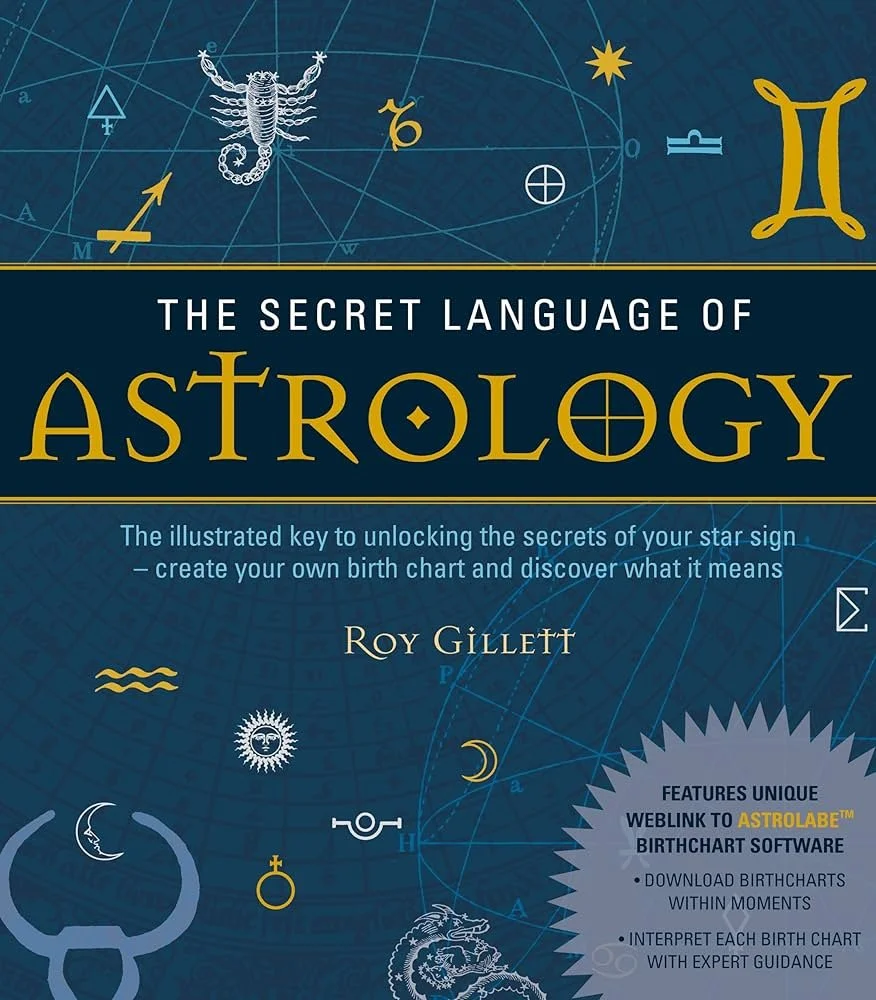
“Although you will observe many apparent connections between astro-cycles, human character and events, it has not been proven that the planets and signs directly cause anything to happen. They may be no more than reference points for a third factor yet to be discovered — markers for the integrated effect of all the elements of the solar system, perhaps.” (Gillett, 2012, p. 7).
We know that the luminaries–as in, the Sun and the Moon–affect the Earth and all life here–physically, at the very least, as the Sun provides us with warmth and the Moon affects the tides, to name a few things–but I haven’t found any research explaining why and how the planets in our solar system affect us. Why is it that our communication and travel are affected when Mercury is retrograde–which is when planets look like they’re moving backwards across the sky? Why, for example, does the planetary combination of Uranus and Pluto align so well with humanitarian protests and uprisings? Is it just synchronicities, or do the changes of planetary positions in the orbit around the Sun actually change the frequencies in our solar system somehow?
Again, I’m not sure about my own personal perspective on what astrology is. Is it an art, like writing, which uses symbolism and archetypes to paint a picture of the world or the human experience? Is it a perspective from which to look at our history and its cycles? Is it a tool for self-knowledge and for understanding our strengths and weaknesses? Is it magic? Is it a mix of everything? I’m not sure. But I do know that I think astrology is fascinating.
I also know that astrology has been used by us for a very long time.
But before I go through a brief history of astrology, I should point out that some of the dates and our understanding of our own history in this section are general estimates and, perhaps, speculative, as new findings or research might turn our understanding and perspective upside down and change our worldview.
However, as of right now, we can say that astrology––as in the tracking of planetary movements and their correspondences––has been around for centuries.
It goes back to ancient times, perhaps even prehistoric times, when the light shows humans watched were the celestial bodies slowly moving across the sky, rather than the handheld screens that we have in today’s day and age.
While astrology is a tool that’s been used, and still is, all over the world and throughout history, I’ll be focusing on the Western tradition here, which has its roots in Babylonian, Egyptian, Greco-Roman, and Arabic traditions. With that said, however, I want to mention that, for example, Chinese and Indian (or Vedic) astrology have their own systems based on their own rich cultures and history.
Chinese Astrology
According to Roy Gillett, some of the earliest written references to astrology in China were from the early Shang Dynasty (c. 1500-1050 BCE), and they were found on “divination objects called oracle bones”.
Then he goes on to write that:
“Since that time, the Chinese have developed many methods of understanding humanity's relationship with the world. Most people know about the cycle of 12 animals that rule each year. Behind this lies a complex system of astrological calculations and interpretation. The Chinese astrological archetypes are very different from those of Western astrology, but are still calculated from time, date, and place of birth” (Gillett, 2012, p. 9).
This is, of course, only a very brief summary of Chinese astrology, which is also based on elements that are different from the Western world’s primary four (Fire, Earth, Air, Water), as the Chinese elements of their Zodiac are Wood, Fire, Earth, Metal, and Water. These are also described more as energies rather than types of material (as in the Western elements).
Vedic Astrology
Indian or Vedic astrology also has a long history, according to Gillett, that might have been passed down through centuries, perhaps even millennia. An interesting thing here is that there might be a link between Vedic astrology and that of Babylonian and Greek astrology that we use in the West. As Gillett writes:
“Only in recent decades has the translation of various ancient Greek and Latin texts revealed how similar these Indian traditions are to techniques used by Greek, medieval and Renaissance astrologers in the West. It appears that the influence of Babylonian and Greek astrology reached India at the same time as it was flourishing in the Mediterranean” (Gillett, 2012, p. 13).
Perhaps this was due to the ancient trade routes between India and the Mediterranean area, where these traditions could mix and combine?
Gillett then continues by writing that in India, “astrology acquired greater devotional respect than in the West, becoming the positive force in Indian society that it continues to be to this day” (Gillett, 2012, p. 13).
In contrast to the Indian tradition, I would say that a big part of the reason astrology has lost this status in the Western world is because of the way the Western psyche has evolved (which isn’t necessarily a good thing, by the way), and because of how we have come to relate to nature and its power and magic. I won’t dive deeper into that here because that could be a whole hour-long discussion, but I might expand on it in the future.
Western Astrology
Now, let’s look at the history of Western astrology in particular, which dates back to our Homo sapiens ancestors.
The Prehistoric Crumbs
Gillett begins his brief timeline of astrology by noting that astrology has probably been part of our lives since we began to understand that everything around us was alive and that the Sun and Moon affected us and our surroundings. He writes:
“As humanity began to develop an understanding of its environment, people started to observe, assess and measure those things that seemed responsible for their sustenance, their comforts and the threats to their survival. The rising Sun brought warmth; the shape of the Moon affected the tides and women’s menstrual cycles. The position of the Sun and the patterns of the stars were observed to change with the seasons, and so marked the times of plenty and hardship” (Gillett, 2012, p. 8).
He then goes through a couple of archaeological findings that may indicate that the human species has been tracking the planets for a very long time. He, for example, mentions that prehistoric humans have been found buried with animal bones with 28 notches carved into them, which might indicate the Moon’s cycle, as it takes the Moon about 28 days to circle the Earth and thereby go from a New Moon to a Full Moon and back to a New Moon.
Another thing he mentions is the approximately 25,000-year-old carving called The Venus of Laussel, which depicts a woman holding a horn of sorts that looks like a crescent moon with 13 notches, which might indicate the number of months in the lunar year.
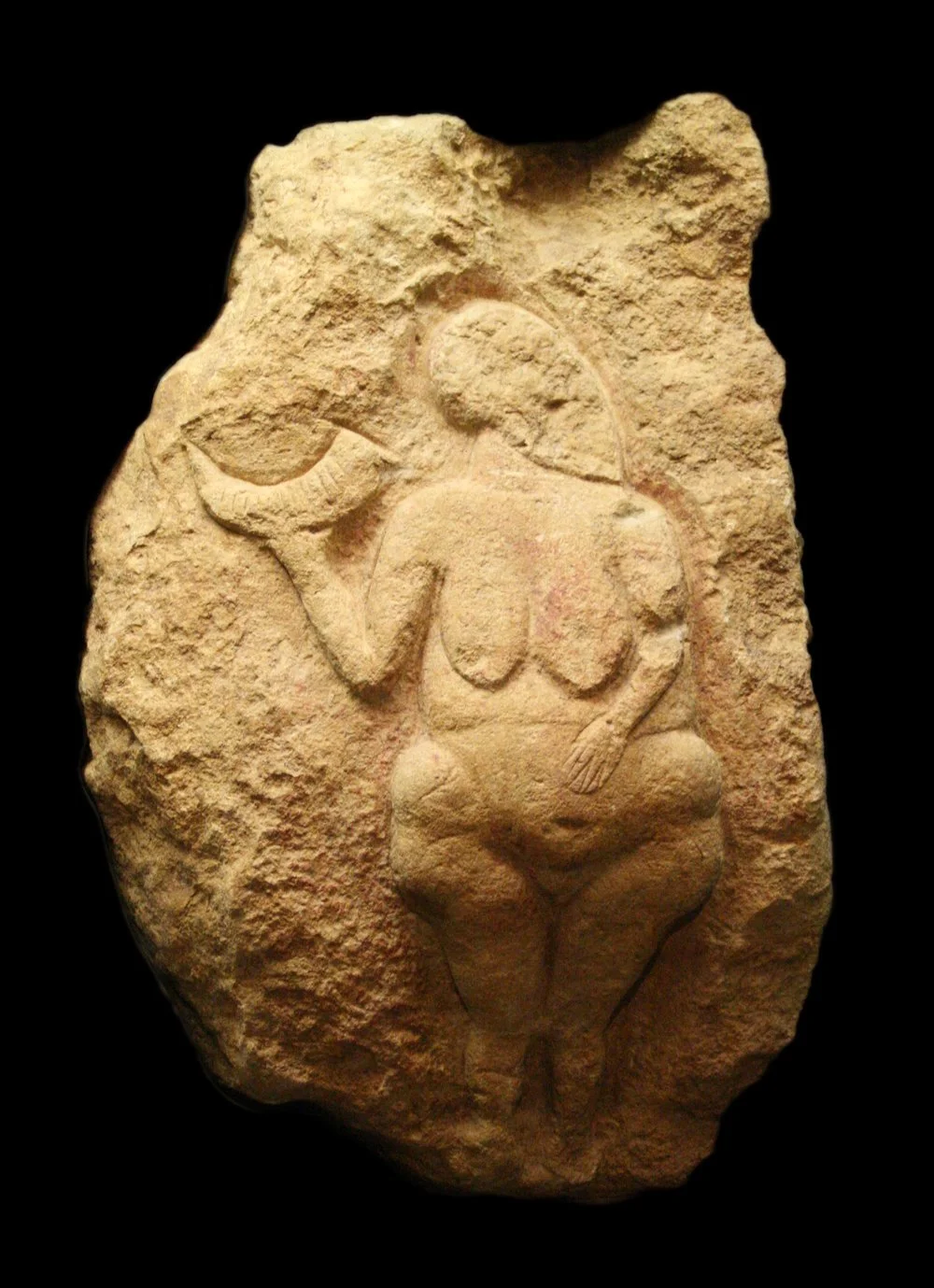
Venus of Laussel, a prehistoric statue carved 18-20,000 years ago
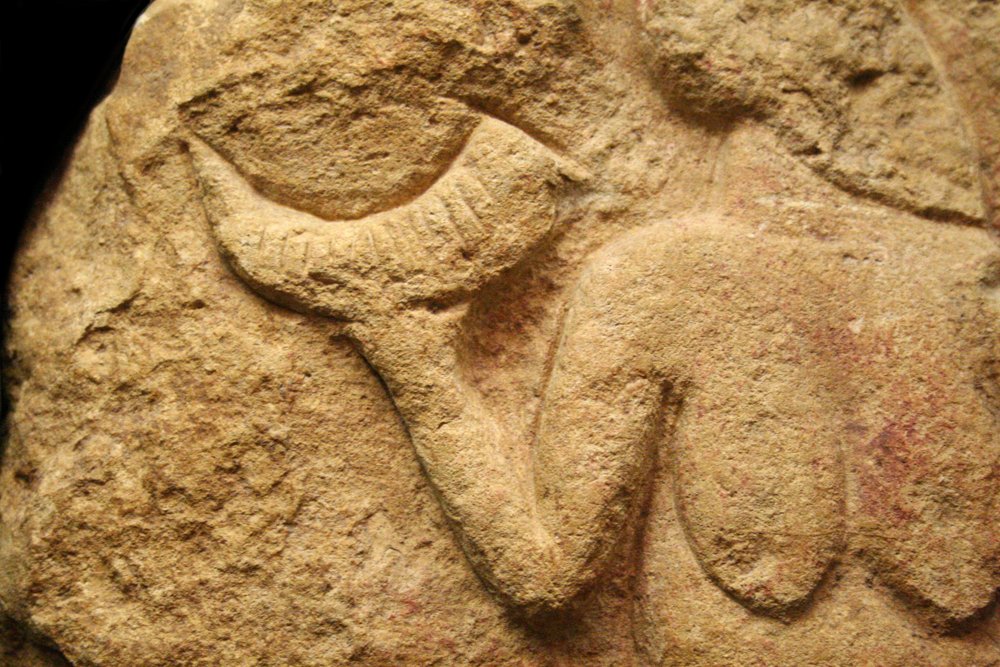
Venus of Laussel, detail of the right arm and the horn
Fast forward to around 4000 BC, and we’re in a time where, as Julia and Derek Parker write in Parkers’ Astrology, astrology and astronomy “went hand in hand for many millennia” (Parker, 2020, p. 14).
They continue to write that around this time, Chaldean priests in Babylon, a city and empire in the Mesopotamian region, “used watchtowers to make maps of the skies” and that there are clay tablets dating from 3800 BCE telling of the movements of the Sun and Moon, recorded with “extraordinary accuracy” (Parker, 2020, p. 14).
Gillett also mentions other things like the many stone structures and circles that have been found throughout Europe, and in the Middle East, a famous one being Stonehenge in southern England (the building of it began around 3100 BC, it was erected around 2500 BC, and remodeled until about 1600 BC).
He writes how they were laid out to “mark the solstices and the equinoxes, while other stone circles seem to have aided the calculation of the lunar calendar and eclipses.” (Gillett, 2012, p. 8).
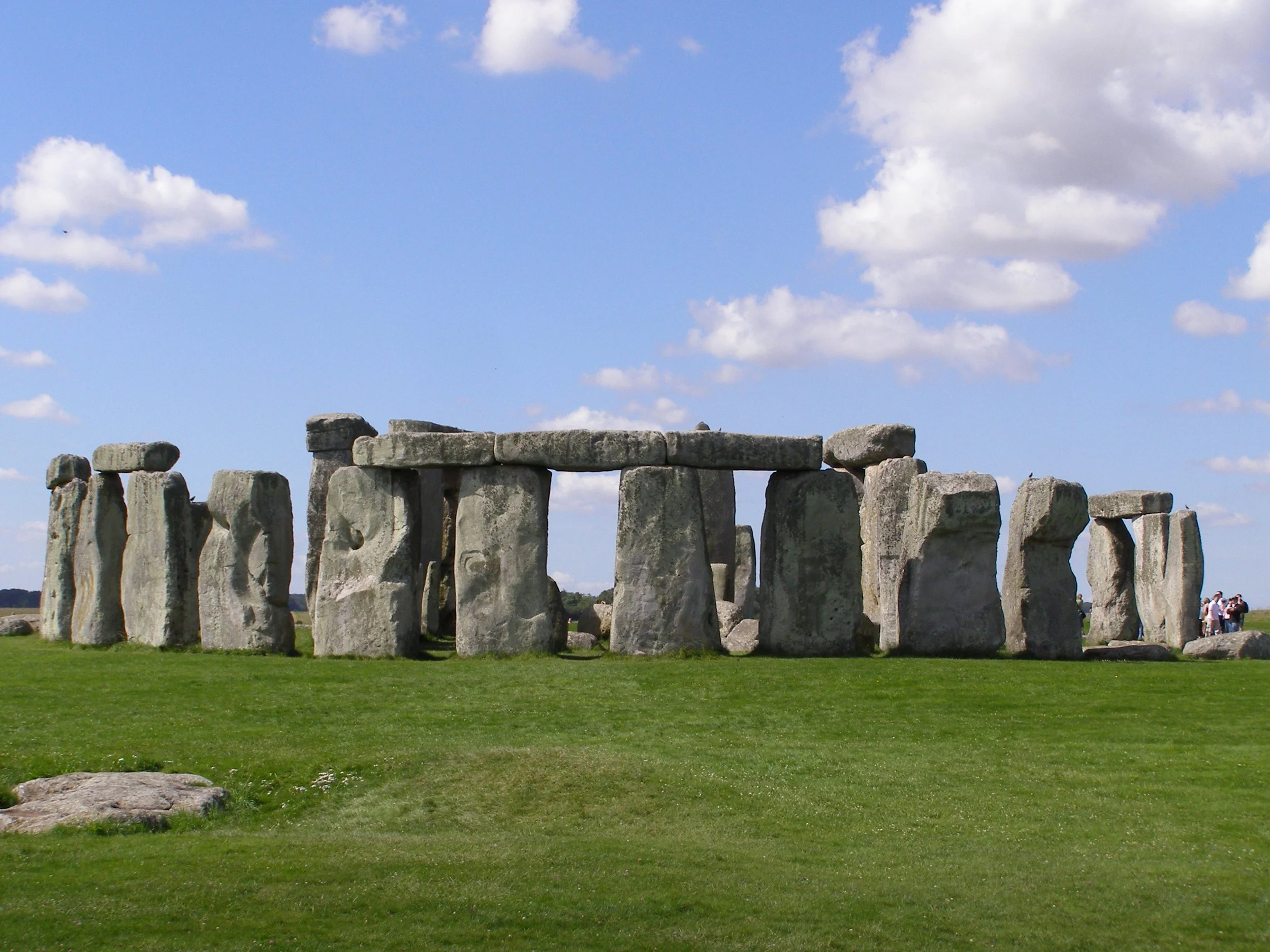
Stonehenge
It wasn’t simple or light work to make these megalithic stone circles, and Gillett comments on that, writing that the effort it must have taken to build these structures “indicates that prehistoric peoples believed their lives to be a reflection of the cycles of the heavens, or at least to be closely linked to them” (Gillett, 2012, p. 8).
Western Astrology’s Roots
As I’ve mentioned before, the astrology that’s practiced in the West today has its roots in ancient Mesopotamian, Egyptian, and Greco-Roman traditions. Babylon, as I mentioned before, is noted as especially important in the books I’ve read.
Roy Gillett writes, among other things, that:
“Some claim that Babylonian astrology dates from the fifth millennium BCE. The earliest clay tablets found show that by the third millennium BCE, the Babylonians understood the movements of the Sun, the Moon and the five planets and interpreted them to guide their decision-making. They devised sacred calendars revealing that Venus was Ishtar, the goddess associated with love, Mars was Nergal, the god of the underworld, and Mercury was Mabu, the scribe of the gods.” (Gillett, 2012, p. 10).
Gillett then writes that the knowledge of and within astrology “was based on interactive empirical observation of the movement of the heavens relative to events on Earth.” (Gillett, 2012, p. 10-11). In other words, astrology is a system or structure or art form (or whatever you want to call it) that has been observed and developed over a very long time.
And, another key thing about astrology is that it was developed through the interaction with other cultures, perspectives, and ideas. Gillett writes, for example, that:
“The Persian occupation of Babylon in 539 BCE […] exposed not so much the shortcomings of astrology itself, as the shortcomings of the Babylonian astrologers of the time. Their encounter with the Zoroastrian Persian state was to lead to major advances in astrology. Clay tablets dated to 419 BCE reveal a systematic understanding of the 12-sign zodiac and give interpretations of the planets moving through signs — in other words, the technical foundation of the Western astrological language that we know today.” (Gillett, 2012, p. 11).
Carole Taylor, in her book Astrology: Using the wisdom of the stars in your everyday life, also writes, for example, that:
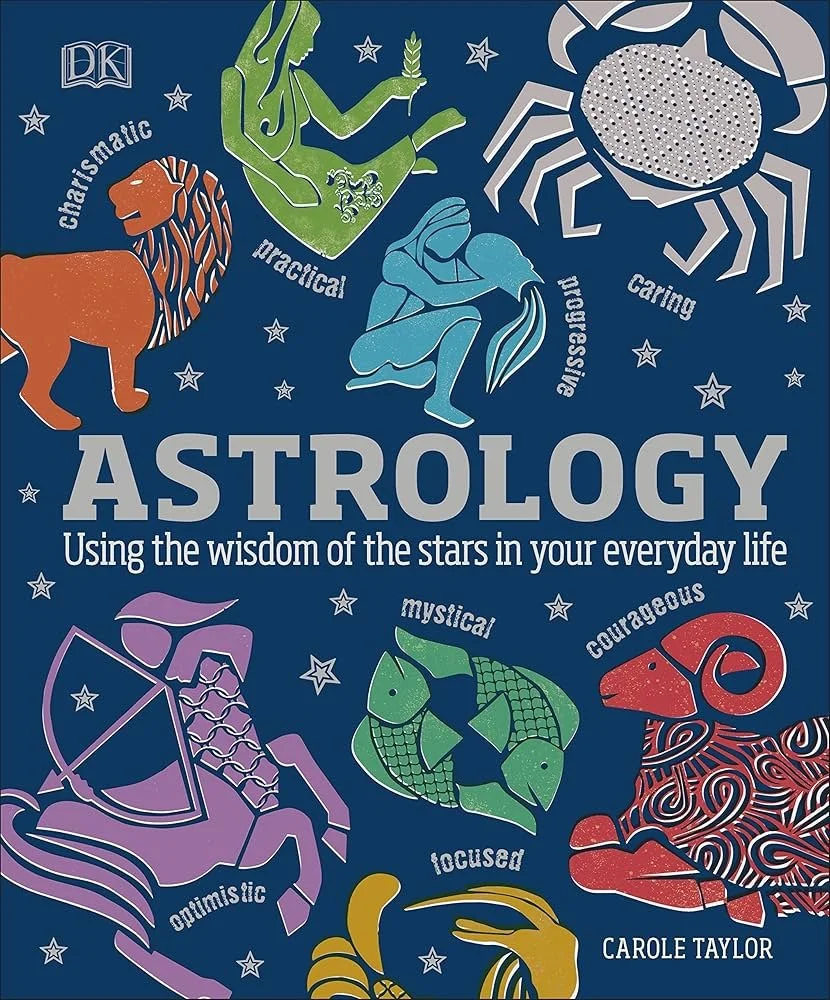
Astrology spread from Babylon to Greece and Egypt. Alexandria became the intellectual center of the ancient world and it is here that the concept of the horoscope was born. It brought together the Babylonian Zodiac with Greek notions of the four elements and the celestial sphere, alongside Egyptian symbolism. It also infused astrology with Neoplatonist philosophy, with its belief in a magical correspondence between sky and Earth.” (Taylor, 2018, p. 14-15).
In addition, Egyptian astrologers had at the time divided the sky into decans, 36 subdivisions of 10° each. Since each Zodiac Sign stretches across 30°, each Sign, therefore, includes 3 decans each.
So, while we credit the Babylonians for the invention of the Zodiac and the meaning of the planetary movements, as Taylor writes, it was mixed with the symbolism and decans of the Egyptians, and then “taken up by the Greeks after the conquest of Alexander in the 4th century BCE and, shaped by Greek cosmology and beliefs, they eventually gave rise to the horoscope we are familiar with today.” (Taylor, 2018, p. 12).
We know this because of the surviving texts from the Mediterranean region from this time, and by “this time”, I mean approximately the first two centuries of the Christian era. One of the books, which was Tetrabiblos by Ptolemy of Alexandria, was written in 120 CE and became one of the most influential and foundational texts for medieval European astrologers. Gillett writes that it includes, among other things, descriptions of the movements of the planets as well as how to interpret them.
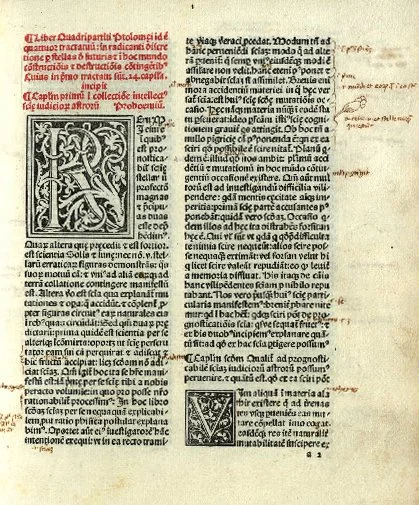
15th-century Latin reproduction of the first edition of the Tetrabiblos by Ptolemy of Alexandria, translated by Plato of Tivoli
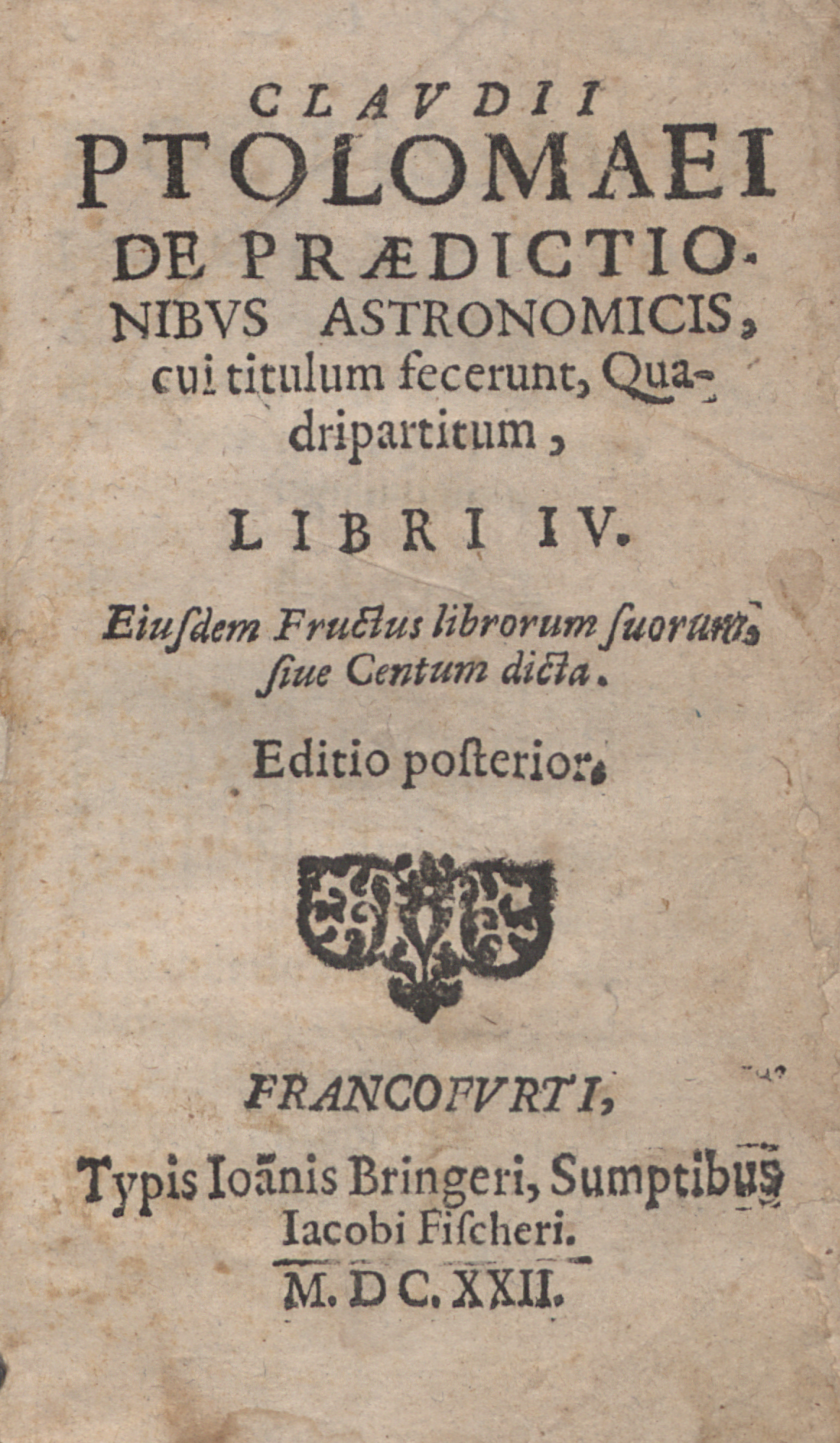
Quadripartitum, 1622, by Ptolemy of Alexandria
Another astrologer of the time was Vettius Valens, who wrote a book called Anthology in which a hundred Greek horoscopes are included.
Interestingly, as a sidenote, Richard Tarnas writes in his book Cosmos and Psyche that the first horoscope or birth chart we know of is from Socrates and Plato’s time (around 300 years earlier), which means that those birth charts were used before Ptolemy and Vettius Valens wrote their books.
Around the first two centuries CE, however, astrology came to Rome. At first, it was dismissed by Roman intellectuals, according to Gillett, but it became popular among ordinary people. After some time, the Roman elite realized it was a useful tool and, as Taylor writes, “By the 2nd century CE, horoscopic astrology was fully formed and popular in Rome where it was favored by emperors and commoners alike.” (Taylor, 2018, p. 15).
During this time, being an astrologer could be dangerous, especially when advising emperors, since death was often the price they had to pay for any failure.
Around the same time, however, there was a school of astrology in the Arab world where much of the knowledge in the ancient world, including the Greco-Roman knowledge of astrology and astronomy, had been translated into Arabic. One of the scholars of astrology in the Arab world was, as Gillett writes:
“Masha’allah ibn Athar (c. 740-815 CE), a Persian Jewish astrologer and astronomer, who wrote an astrological history of humankind, attempting to explain major changes based on conjunctions of Jupiter and Saturn, and eclipses.” (Gillett, 2012, p. 14-15).
In Europe, however, the spread of Christianity was the beginning of the fall of Western astrology.
The Fall of Western Astrology
As Gillett writes:
“Critics of astrology found a new ally in early Christianity. […] Christianity naturally sought to cleanse the Greco-Roman worldview of all that was deemed pagan. Astrology was one such target. By allowing itself to be used for simplistic prediction, astrology could be depicted by the Church as the demonic teaching of ‘fallen angels’, seeking to deny free will and trap humanity in a false fatalism.” (Gillett, 2012, p. 14).
At this time, with the spread of Christianity, the church wanted to ban everything considered pagan, which included astrology and the polytheistic pantheons that were previously widespread in the Mediterranean area. I won’t go on a rant about how the Christian Church destroyed the multitudes of polytheistic pantheons and cultures in Europe with its rise to power and spread across the continent and beyond. I could, but I won’t. That’s for another time.
So, anyway, some Christian astrologers saw parallels between the imagery of the Bible and the Zodiac signs. But the Old Testament expressed reservations about predicting the future or trying to change it, which was one of the major uses of astrology at the time.
There was a rise in popularity again in the 12th-century. The works that had been translated into Arabic were reintroduced into the Western world as the works were translated from Arabic to Latin, and finding its way back into Europe through Spain. This time, however, it was passed along “with new mathematical knowledge, including algebra and the Hindu-Arabic numerals with their all-important zero.” (Gillett, 2012, p. 15).
Another rise in popularity was during the Renaissance, when it experienced a 500-year flourishing period where astrologers could be found in every court and advising the Popes.
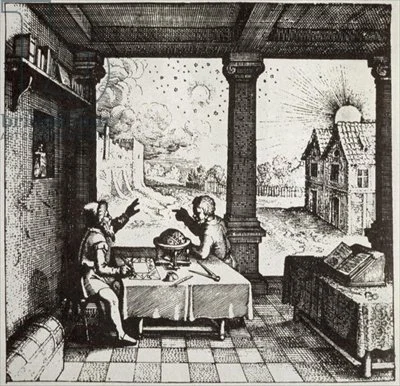
'An Astrologer Casting a Horoscope' from Robert Fludd's Utriusque Cosmi Historia, 1617
This was also during a time when:
St. Thomas Aquinas wrote down what he believed to be theological ground rules for the use of astrology in his Summa Theologica
Astrology and medicine were combined to diagnose and treat diseases and ailments
Shakespeare’s plays referenced astrology
And William Lilly became a famous astrologer in England who wrote and published many popular astrological texts and almanacs
However, the rapid rise of science and our understanding of our place in our solar system, along with astrology being used by the elite to gain more power and wage wars they were predicted to win, cast astrology aside.

PLANISPHÆRIVM COPERNICANVM. From the Harmonia Macrocosmica by Andreas Cellarius. Amsterdam, 1661
Nicolaus Copernicus was a Polish polymath often credited as the first to properly develop a mathematical model of a heliocentric system that would, later on, change our whole understanding of our place in the solar system.

Nicolaus Copernicus portrait from Town Hall in Toruń - 1580
Johannes Kepler, a German mathematician, was also an early proponent of the heliocentric system. Gillett also mentions that Kepler was the first to suggest that the planets took elliptical orbits around the Sun.
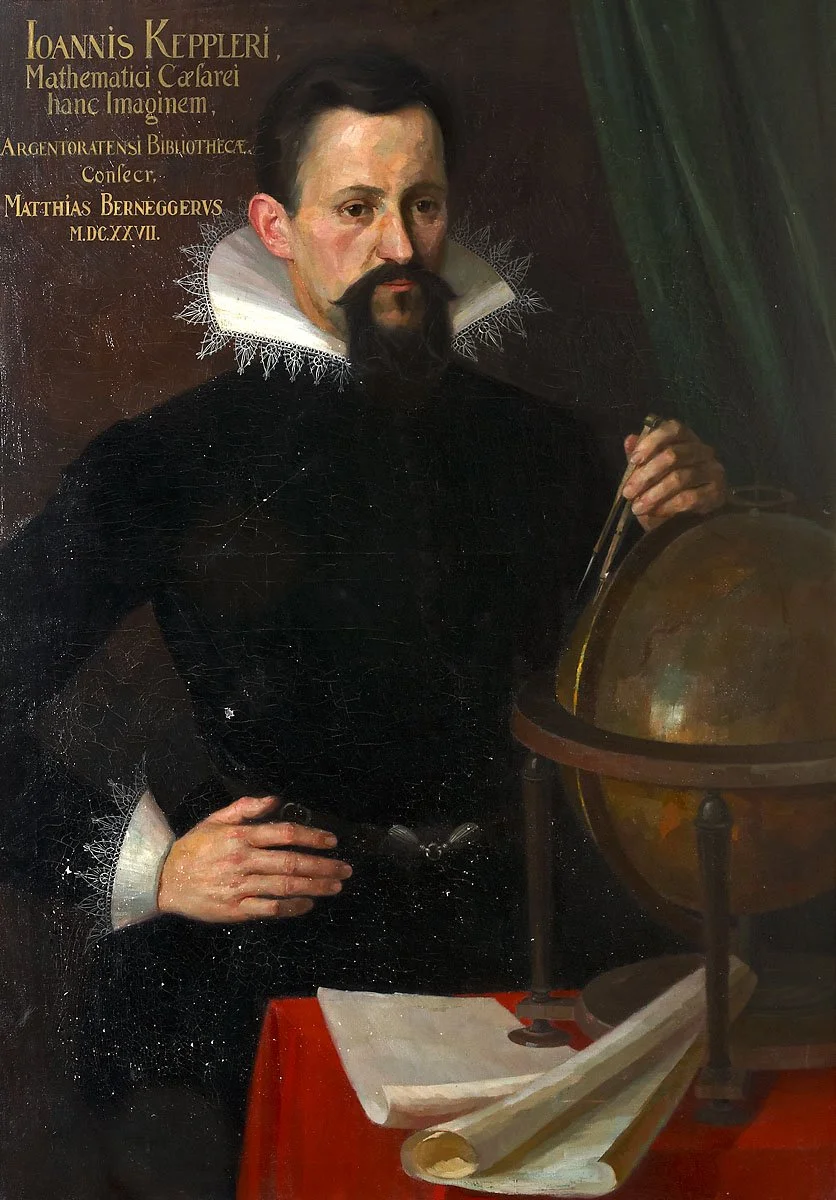
Johannes Kepler
However, it wasn’t until Galileo, an Italian astronomer, that it was proven that the Sun is at the center of our solar system and not the Earth. Even though Galileo, according to Gillett, wanted to improve astrological interpretations, proving that our solar system was heliocentric made critics of astrology say this was proof that astrology had never worked.
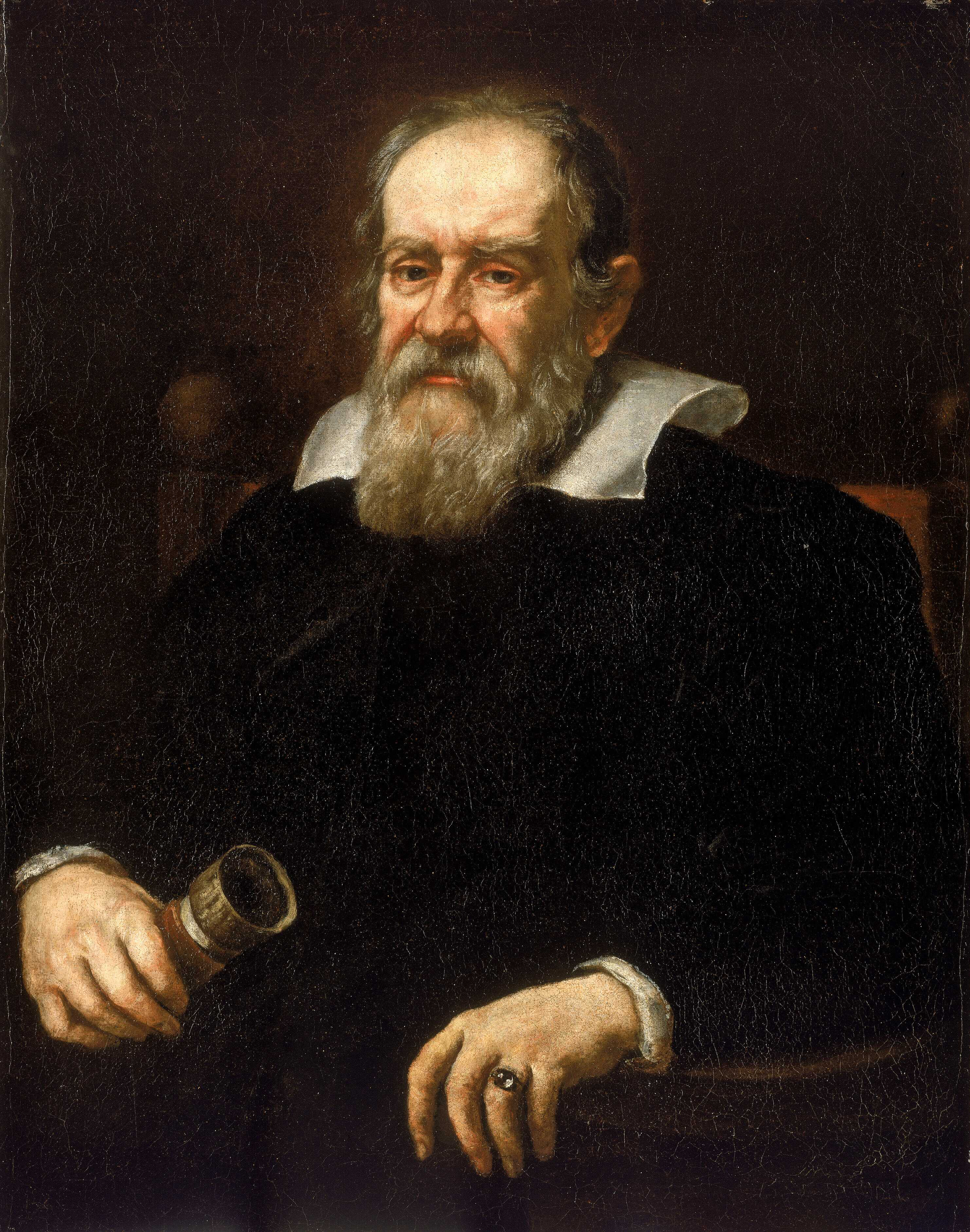
Galileo Galilei portrait c. 1640
This era, also called the Scientific Revolution, was an overarching shift in European thought that went from the natural philosophy used since classical antiquity, which included, for example, astrology, to a more mechanistic, mathematical, fact-based philosophy and science.
This is why Richard Tarnas writes, for example, that:
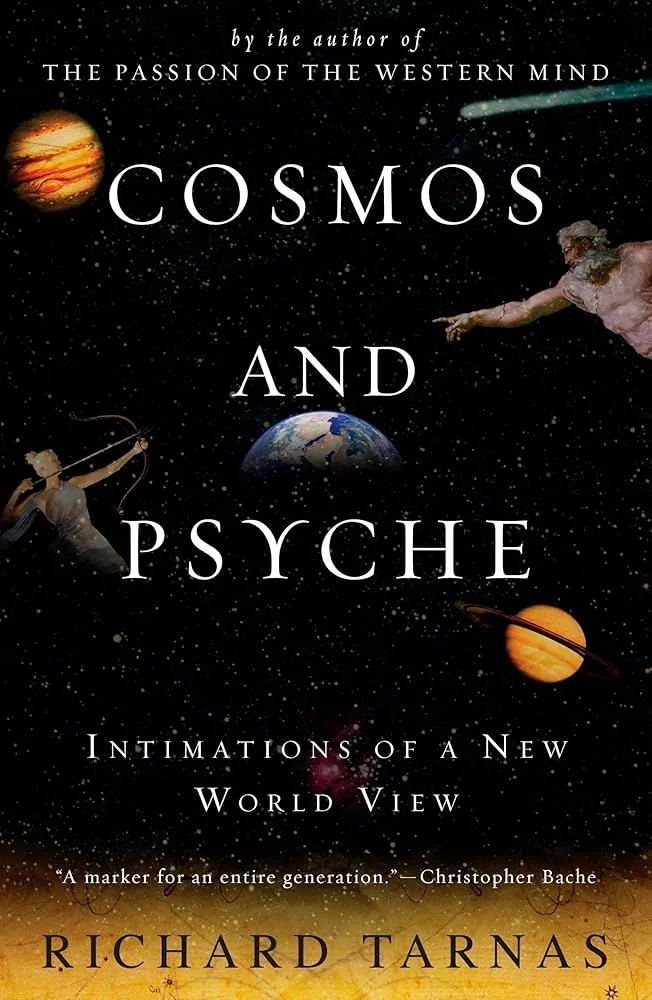
“It was of course no accident that the birth of the modern self and the birth of the modern cosmos took place at the same historical moment.” (Tarnas, 2006, ch 1).
At the same time as Copernicus, Kepler, and Galileo, among others, challenged our old worldview of how we understood our own place in our solar system, there was also a movement that began to lean more towards so-called “hard sciences” that rely on rigorous testing, experimentation, and a consensus of the results. And so, by the end of the 17th century and as Europe moved into the Enlightenment, astrology was cast aside and fell out of favor.
As Gillett writes:
“Astrology was one of the first of what seem to be old ideas to be swept away in this rush to rationalism. It appeared to rest too easily upon the old geocentric world picture. Its interpretive methods, although based on thousands of years of empirical observation, lacked a clear mechanical chain of causal explanation.” (Gillett, 2012, p. 18).
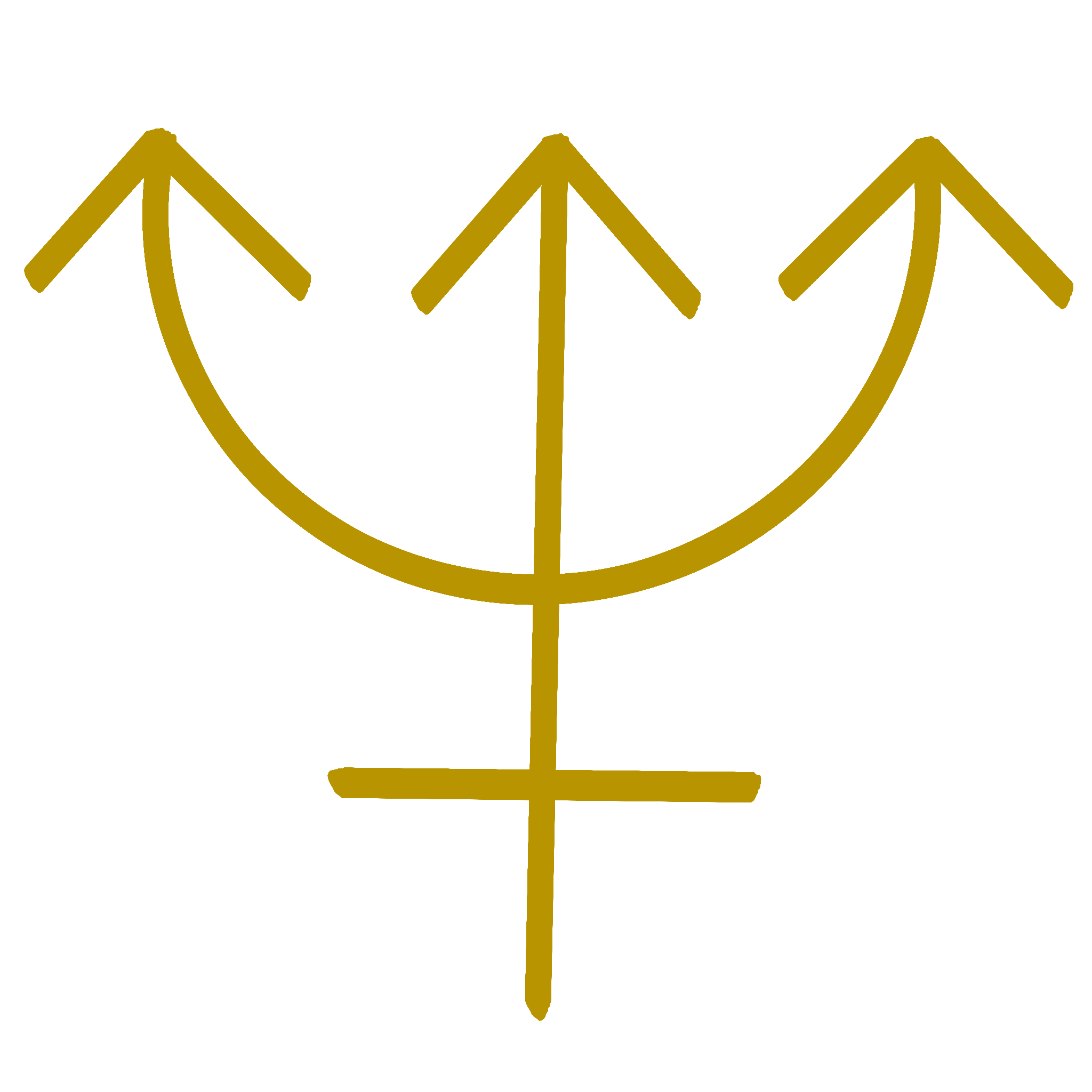
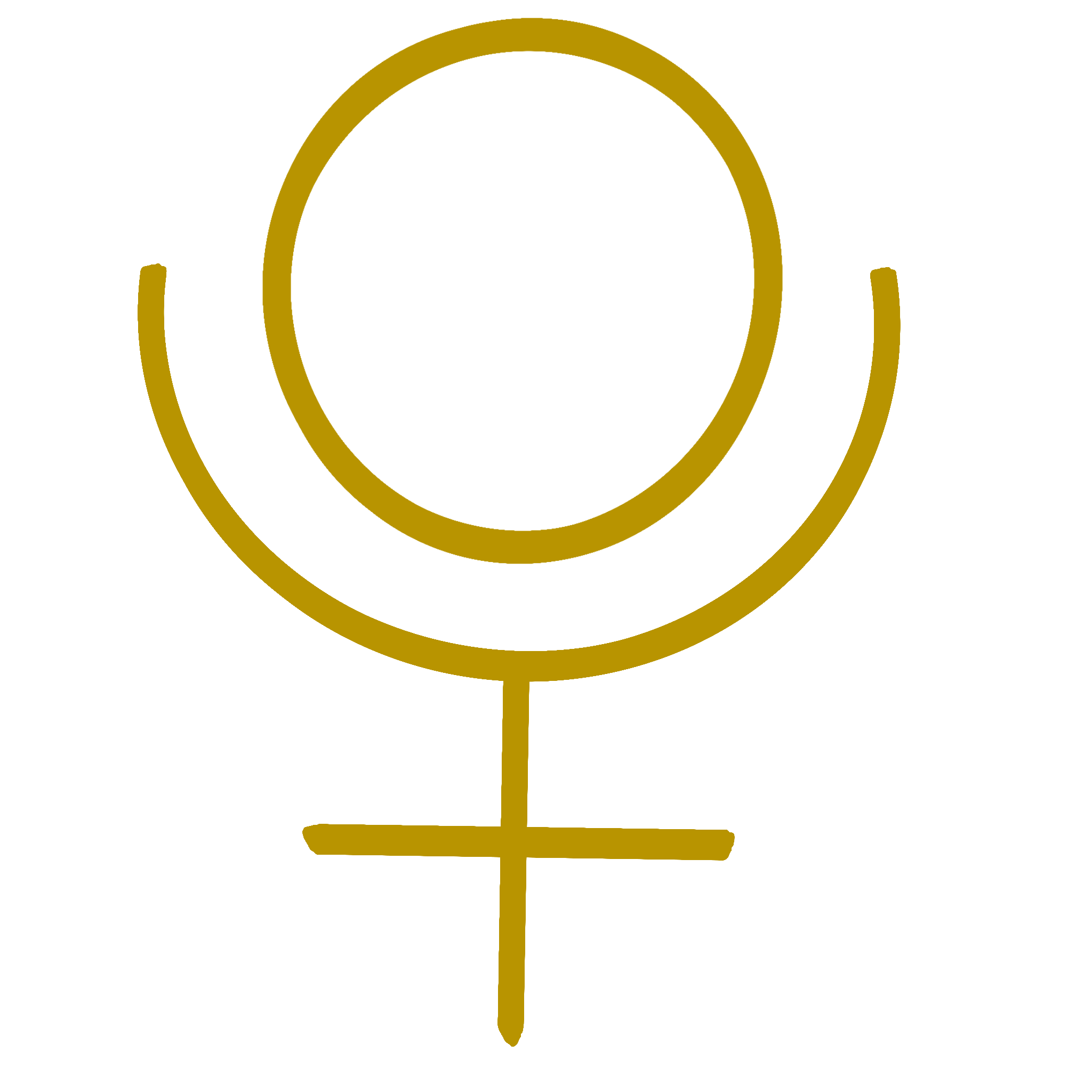
Then, with the discovery of Uranus in 1781, Neptune in 1846, and Pluto in 1930, it, on the one hand, excited astrologers and helped the astrological field expand with these new planets while, on the other hand, it proved to critics that astrology was and had always been wrong.
Modern Western Astrology
Before we moved into the 20th century, astrology had a revival at the end of the 1800s, “with the increased interest in spiritualism and Eastern religion and philosophy” (Taylor, 2018, p. 15). It was due to the founding and rise of secret societies such as the Theosophical Society, cofounded by Helena Blavatsky, and the Hermetic Order of the Golden Dawn, to name two.
The astrology that would then come to be used and developed in the Western world throughout the 20th century was different from how astrology had been used previously. Astrology became a tool for individuals to use to understand themselves better, to play to their strengths, and improve the world, rather than just predict the rise and fall of kings, as well as war and such things.
Gillett gives some examples of the many different shapes that astrology took during this time. For example, many things happened with astrology in Germany before it was repressed when the Nazi movement grew and took over:
“Rudolf Steiner’s Anthroposophy offered a complete system, from spiritual interpretation to mundane tools for use in agriculture. Reinhold Ebertin’s Cosmobiology sought to systemize psychological and medical interpretation. Alfred Witte and his successor introduced a new range of hypothetical Uranian cycles and highly technical approaches to combining the planets. And for much of the century, Mark Edmund Jones and Dane Rudhyar gave an esoteric and psychological emphasis to astrology in the United States.” (Gillett, 2012, p. 21).
Taylor also mentions Carl Jung and how his interest in astrology, combined with his “theories of archetypes and the unconscious, the 20th century saw the development of what is known as ‘psychological astrology’” (Taylor, 2018, p. 15).
Then came the rise of the popular sun sign columns in newspapers in the 1930s that used the Sun’s position at birth. On the one hand, it fascinated the public; on the other, it only covered one small piece of astrology, which fostered as many skeptics as followers, if not more.
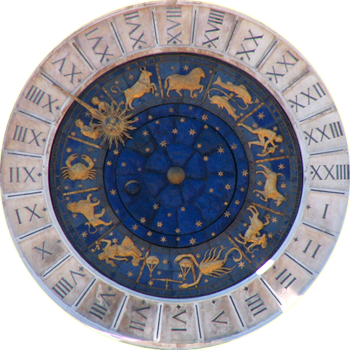
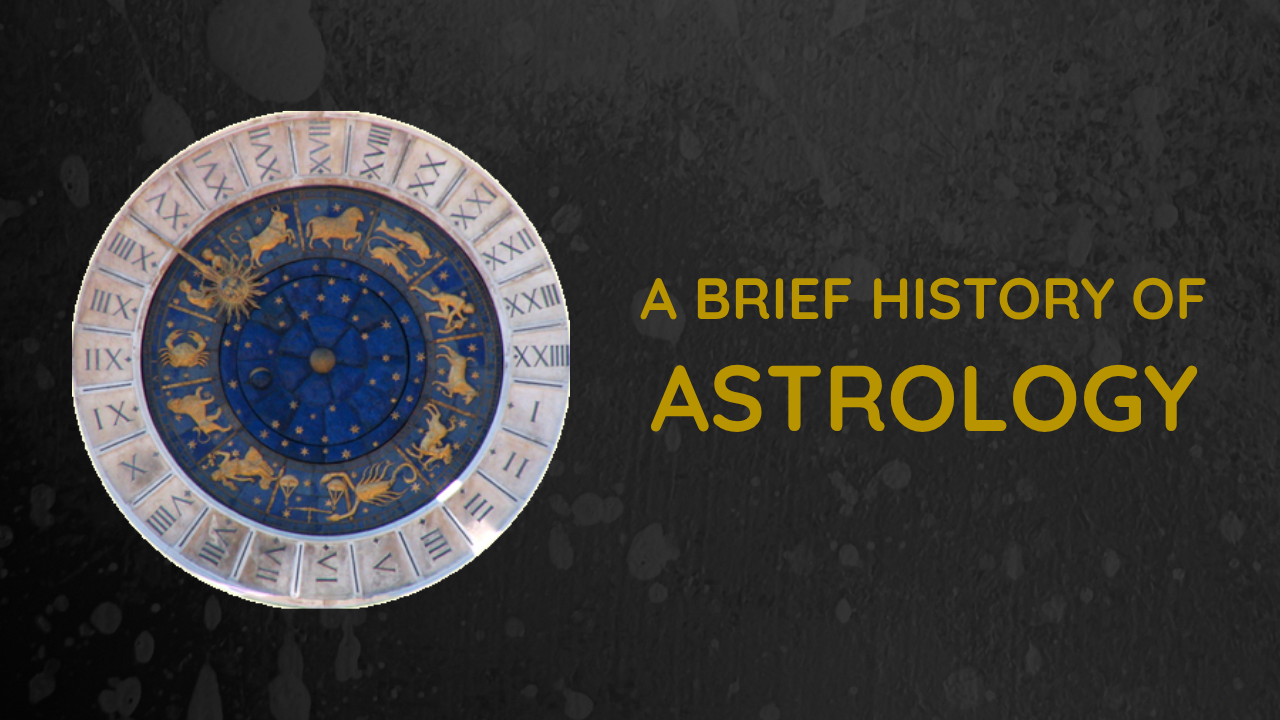
Clock of San Marco clockface
While modern astrology has continued to evolve the Western astrological field by, for example, assigning the modern planets (Uranus, Neptune, and Pluto) as the rulers of particular Zodiac signs and pairing the signs and Houses to create a symbiotic relationship between them, older traditional astrology has also been revived. Much of that is thanks to the translation of the older texts into modern languages.
Nowadays, we also have easy access to information and can get a birth chart within a few clicks due to the internet.
And that’s where we are today.
And that’s where I’ll end this brief history of astrology.
If you want early access to my posts, as well as additional content, join my Patreon.
Sources
Gillett, Roy. The Secret Language of Astrology: The Illustrated Key to Unlocking the Secrets of the Stars. London: Watkins Media Limited, 2012.
Parker, Julia & Derek Parker. Parkers’ Astrology: The definitive guide to using astrology in every aspect of your life. London: Dorling Kindersley Limited, 2020.
Tarnas, Richard. Cosmos and Psyche: Intimations of a New World View. Viking Penguin, 2006.
Taylor, Carole. Astrology: Using the wisdom of the stars in your everyday life. London: Dorling Kindersley Limited, 2018.
Images
15th-century Latin reproduction of the first edition of the Tetrabiblos, translated by Plato of Tivoli. Published in Venice, Erhard Ratdolt, 1484. By Claudius Ptolemy - Title page of Quadripartitum, Public Domain, https://commons.wikimedia.org/w/index.php?curid=16323255 (Accessed 2026-05-18)
‘An Astrologer Casting a Horoscope' from Robert Fludd's Utriusque Cosmi Historia, 1617. By Robert Fludd, Public Domain, https://commons.wikimedia.org/w/index.php?curid=26614085 (Accessed 2026-05-18)
Astrology: Using the wisdom of the stars in your everyday life (2018) by Carole Taylor, book cover
Clock of San Marco clockface. By User: Zachariel - File: Venice_ast_sm.jpg, CC0, https://commons.wikimedia.org/w/index.php?curid=156285398 (Accessed 2026-05-18)
Cosmos and Psyche (2006) by Richard Tarnas, book cover
Galileo Galilei portrait c. 1640. By Justus Sustermans - http://collections.rmg.co.uk/collections/objects/14174, Public Domain, https://commons.wikimedia.org/w/index.php?curid=62614082 (Accessed 2026-05-18)
Johannes Kepler. By August Köhler [1] - Kepler-Museum in Weil der Stadt, Public Domain, https://commons.wikimedia.org/w/index.php?curid=9406242 (Accessed 2026-05-18)
Nicolaus Copernicus portrait from Town Hall in Toruń - 1580). By Unknown author, Public Domain, https://commons.wikimedia.org/w/index.php?curid=147956893 (Accessed 2026-05-18)
Parkers’ Astrology (2020) by Julia and Derek Parker, book cover
PLANISPHÆRIVM COPERNICANVM. From the Harmonia Macrocosmica by Andreas Cellarius. Amsterdam, 1661. By Andreas Cellarius - Google Arts & Culture — https://artsandculture.google.com/asset/planisph%C3%86rivm-copernicanvm-andreas-cellarius/TwHHQAQOeXcXDQ, Public Domain, https://commons.wikimedia.org/w/index.php?curid=108996958 (Accessed 2026-05-18)
Quadripartitum, 1622. By Ptolemaeus, Claudius - Available in the BEIC digital library and uploaded in partnership with BEIC Foundation., Public Domain, https://commons.wikimedia.org/w/index.php?curid=40009928 (Accessed 2026-05-18)
Stonehenge. By garethwiscombe - https://www.flickr.com/photos/garethwiscombe/1071477228/in/photostream/, CC BY 2.0, https://commons.wikimedia.org/w/index.php?curid=13278936 (Accessed 2026-05-18)
The Secret Language of Astrology (2012) by Roy Gillett, book cover
Title page of the 1687 first edition of Philosophiae Naturalis Principia Mathematica, by Isaac Newton. The original uploader was Zhaladshar at English Wikisource. - Transferred from en.wikisource to Commons, Public Domain, https://commons.wikimedia.org/w/index.php?curid=2681838 (Accessed 2026-05-18)
Venus of Laussel, a prehistoric statue carved 18 to 20,000 years ago. By photo 120, œuvre dont l'auteur est mort depuis environ 25 000 ans - Own work, CC BY 3.0, https://commons.wikimedia.org/w/index.php?curid=5044488 (Accessed 2026-05-18)
Venus of Laussel, detail of the right arm and the horn. By photo 120, oeuvre dont l'auteur est mort depuis environ 25 000 ans - Own work, CC BY-SA 3.0, https://commons.wikimedia.org/w/index.php?curid=5044781 (Accessed 2026-05-18)