Pamela Colman Smith: Her Life and Legacy | Women in the Esoteric and Occult
Imagine being the artist who created one of the world's most widely known and recognized tarot decks, but her contribution to it, her name, was largely erased, forgotten, or ignored for over a century.
This is the real story of the woman who created some of the most widely spread artworks in the world, and her name is Pamela Colman Smith.

Photograph of Pamela Colman Smith from the October 1912 issue of The Craftsman magazine
If you want early access to my posts, as well as additional content, join my Patreon.
Her Life
Pamela Colman Smith was born on the 16th of February 1878, in Pimlico, England. Pimlico was, at the time, in the county of Middlesex, but is now in the City of Westminster within central London.
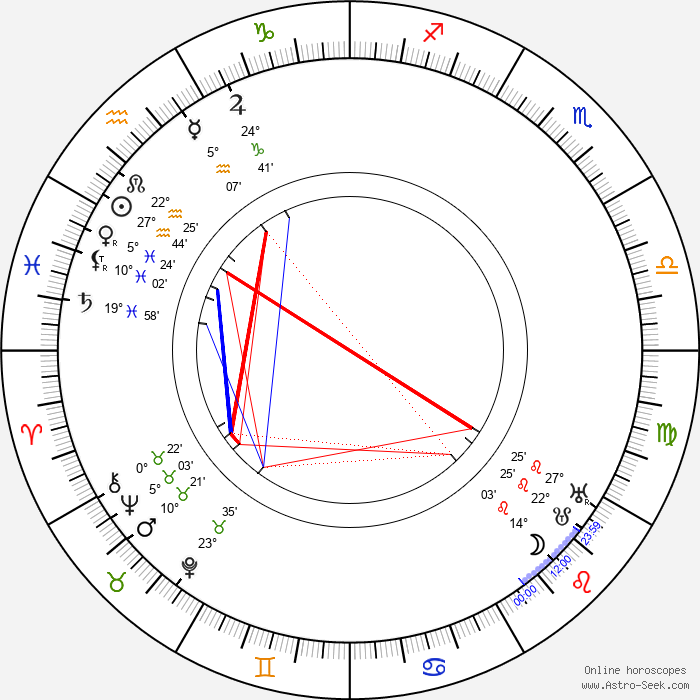
16th February 1878, Pimlico, Middlesex, England (Rodden Rating X: No time of birth)
Her mother was Corinne Colman, sister of a famous painter named Samuel Colman. Her father was Charles Edward Smith, son of Cyrus Porter Smith, a former mayor of Brooklyn in the US.
An only child, Smith spent her early years between Manchester and Jamaica before the family settled in Kingston. At the time, her father took a job with the West India Improvement Company, a financial syndicate involved in extending the railroad system in Jamaica in 1889.
In 1893, at the age of fifteen, Smith moved to Brooklyn and enrolled at the Pratt Institute, which was a private university that included six schools, including a program in fine arts. The institute was founded in 1887, six years before Smith enrolled.
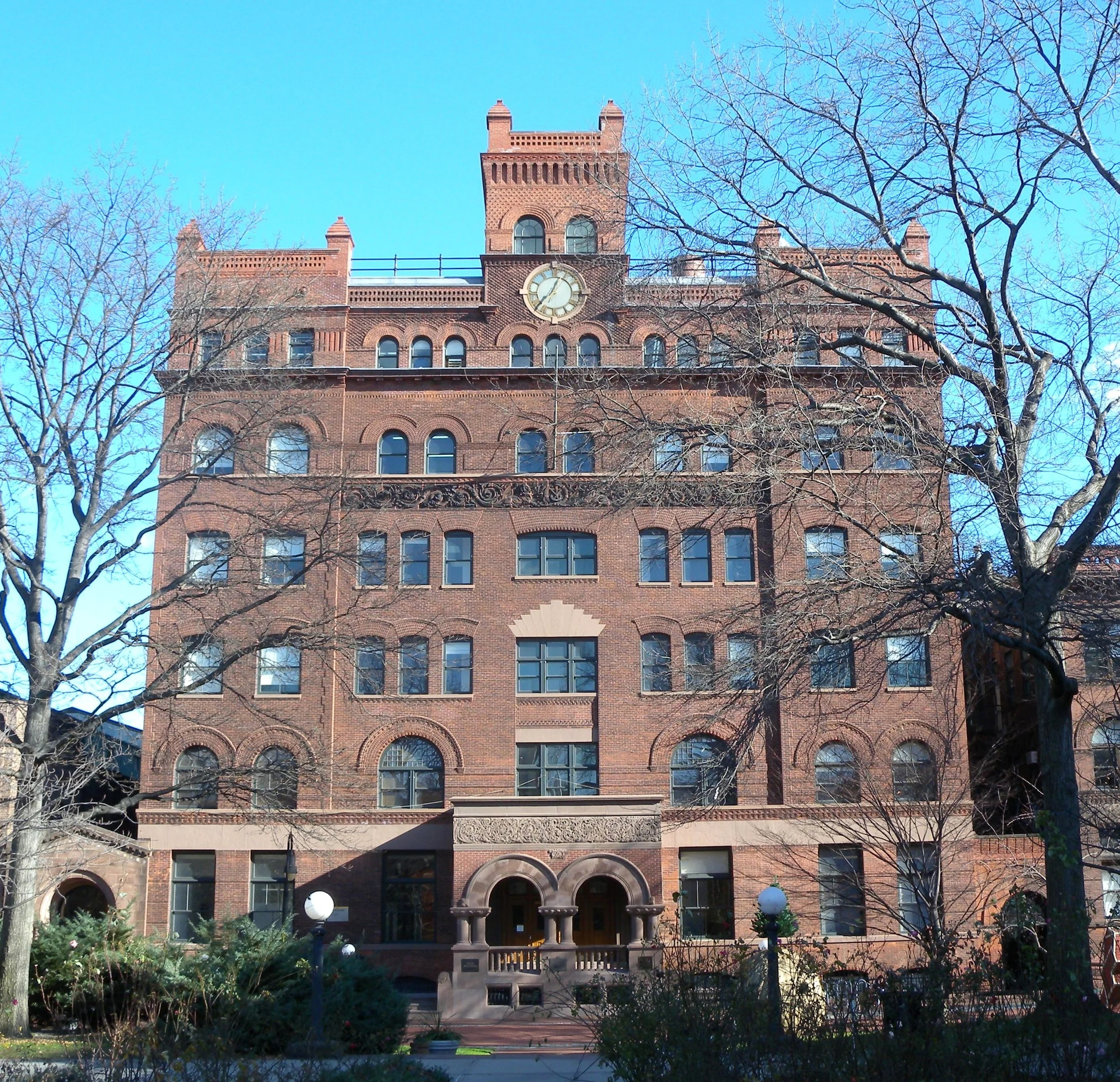
Main building of Pratt Institute
There, she studied art under Arthur Wesley Dow, a multidisciplinary artist known for his work in painting, printmaking, and photography. He was also known as an influential arts educator.
Her time at the Pratt Institute was, however, cut short by tragedy.
Three years after Smith enrolled in the Institute, in 1896, her mother died in Jamaica, and after struggling with her own health, Smith left the Institute in 1897 without completing her degree.
Then, in 1899, just three years later, her father also died. At only twenty-one years old, Pamela Colman Smith had become an orphan.
She returned to England and began building a career as an illustrator, branching out into theatrical design for miniature theater.
Around this time, she was taken in by the Lyceum Theatre group led by the actor Sir Henry Irving, who made the Lyceum the most important theatre in London and was knighted in 1895 for persistently campaigning to have theatre be recognized as a respected art form, like music and painting.
The theatre group also introduced Smith to people who would become lifelong friends and collaborators, like Bram Stoker and Dame Ellen Terry.
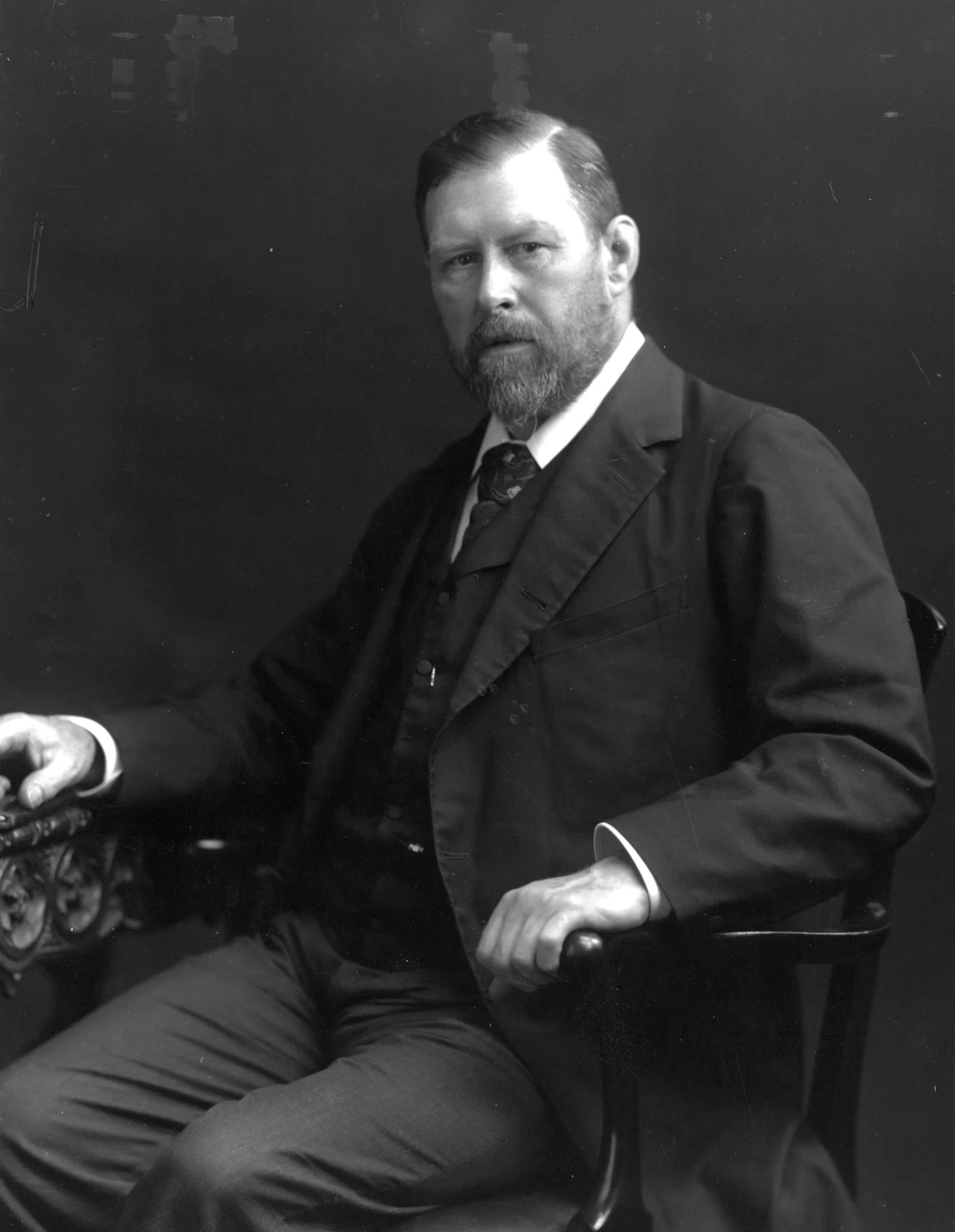
Bram Stoker in 1906
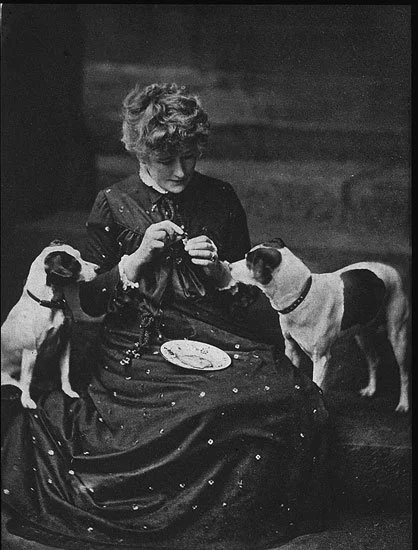
Dame Ellen Terry with pets Fussie and Drummie in the 1880s
Bram Stoker was the author of many books and articles, including the well-known Dracula from 1897. Smith illustrated several of his works, including one about the celebrated actress Dame Ellen Terry.
Terry, who had a career spanning nearly 7 decades, became acclaimed for her portrayal of different roles, particularly in Shakespeare’s plays, and was said to have been the one to give Smith the nickname “Pixie”, a name that stayed with her for the rest of her life.
As the theatre group toured Britain, Smith continued designing costumes and scenery while expanding her artistic circle.
In 1901, Smith established a studio apartment in London, where she held a weekly open house for everyone involved in the arts, and, apparently, they were very popular.
That same year, William Butler Yeats, an icon within 20th-century literature, introduced Smith to the Hermetic Order of the Golden Dawn, more commonly known as the Golden Dawn, and she joined the society soon afterward.
The Golden Dawn is fascinating in its own right, so let me briefly summarize it before I continue with Smith’s story, because the society has a big impact on her life and legacy.
The Golden Dawn is a secret society within the Western esoteric or mystery tradition, devoted to the study and practice of occult Hermeticism, metaphysics, and other occult practices and philosophies. Now, as always, the occult in my content refers to hidden knowledge or knowledge that’s not as universally known. It’s nothing sinister.
Interestingly, this secret society was welcoming of women, just like the Theosophical Society. At a time when many organizations excluded women, that was remarkably progressive. Along with that, the Golden Dawn is said to be one of the most influential forces in 20th-century Western occultism.
Its philosophy was rooted in Hermeticism, a tradition associated with the teachings attributed to Hermes Trismegistus, a figure who combines aspects of the Greek god Hermes and the Egyptian god Thoth. Hermeticism draws together many esoteric traditions, including astrology, alchemy, divine magic (also known as theurgy), and the pursuit of spiritual transformation.
When joining the Golden Dawn, Smith met Arthur Edward Waite, and if you’re part of the vast tarot community, I’m sure you recognize that name.
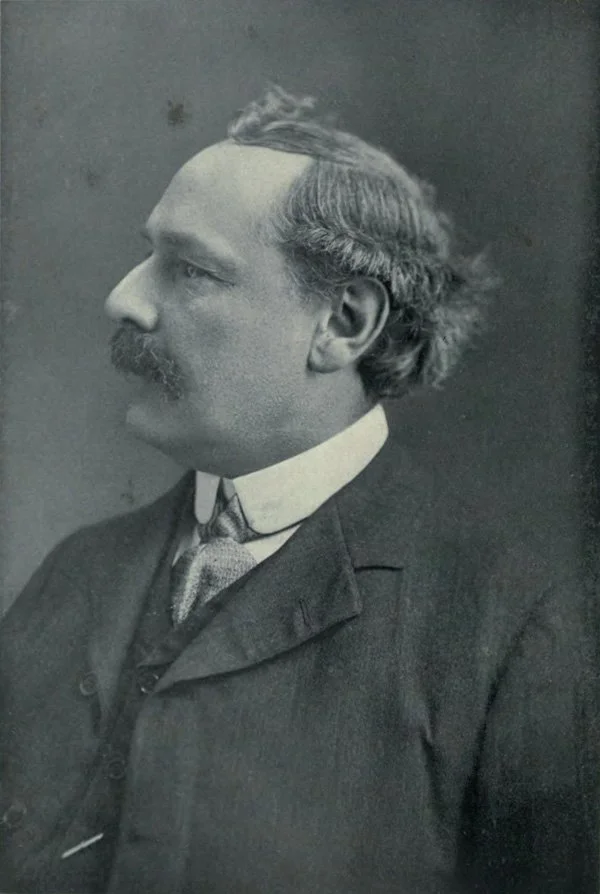
Photograph of Arthur Edward Waite in 1911
Waite was a British poet and scholarly mystic who extensively wrote on the topic of occultism as well as co-created the Rider-Waite-Smith tarot deck.
Her Work and Legacy
And that moves us into her work and legacy.
Of course, Pamela Colman Smith is best known today for the tarot deck that bears her artwork. But before we get there, I want to look at the rest of her artistic career, starting with the way in which she worked, because it’s fascinating.
One of the things that made Smith's work so distinctive was her synesthetic sensibility, a neurological phenomenon in which people experience multiple senses at the same time.
Some associate numbers or letters with certain colors, while some may feel sensations in parts of their body induced by certain sounds.
Smith had a form of synesthesia where she saw colors and vivid, complex images when she listened to music. She used her gift to create dozens of works while listening to symphonies of Beethoven, Bach, and Debussy, as well as music from ballets and operas.

Overture. "Egmont" Beethoven, a watercolor painting by Smith (1907)
Claude Debussy, who was a close friend of hers and a regular guest at her London open house gatherings, once described her drawings as his “dreams made visible”.
Personally, I wonder if this is also why some people believed she possessed psychic abilities or experienced genuine visions during meditation. Whether that's true or not, it's easy to see why people made that connection.
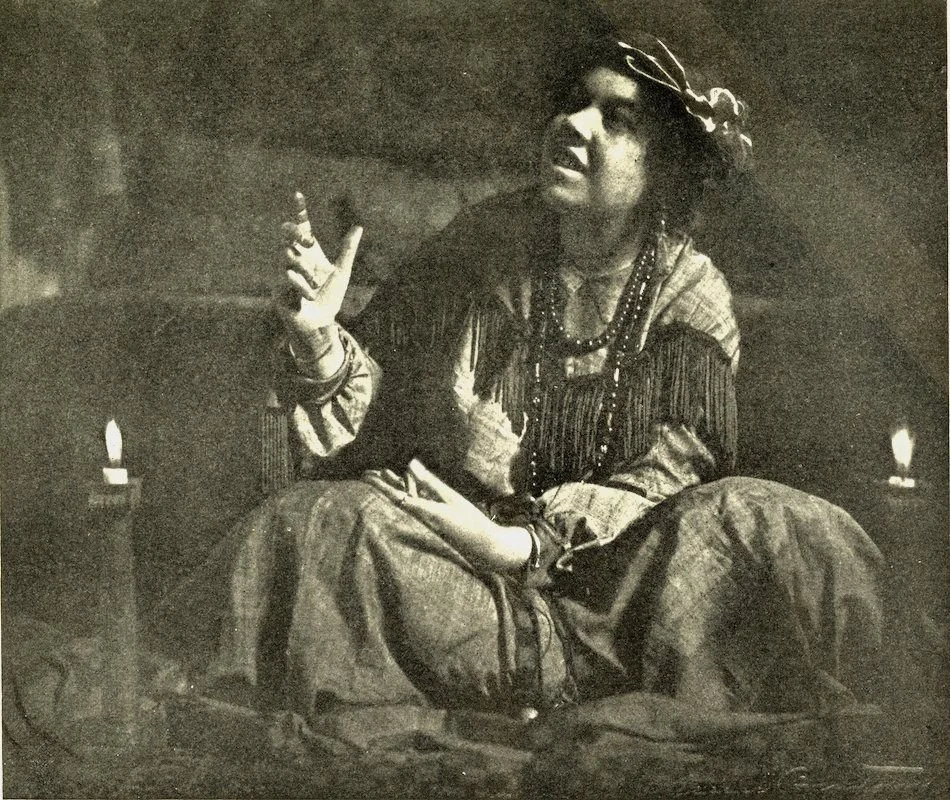
Photograph of Pamela Colman Smith reciting a folktale
Now, much of her work at the very beginning of the early 1900s was commissioned work for others, like her artist friends, but also some of her own work.
Among her own books were two about Jamaican folklore, which included Jamaican tales with the traditional African folk figure Anansi, who was most commonly depicted as a spider. Anansi is a prominent and important character of West African, African-American, and Caribbean folklore, and is a character known for his cunning, trickery, wit, and ability to outsmart his opponents, even if they are more powerful than him.
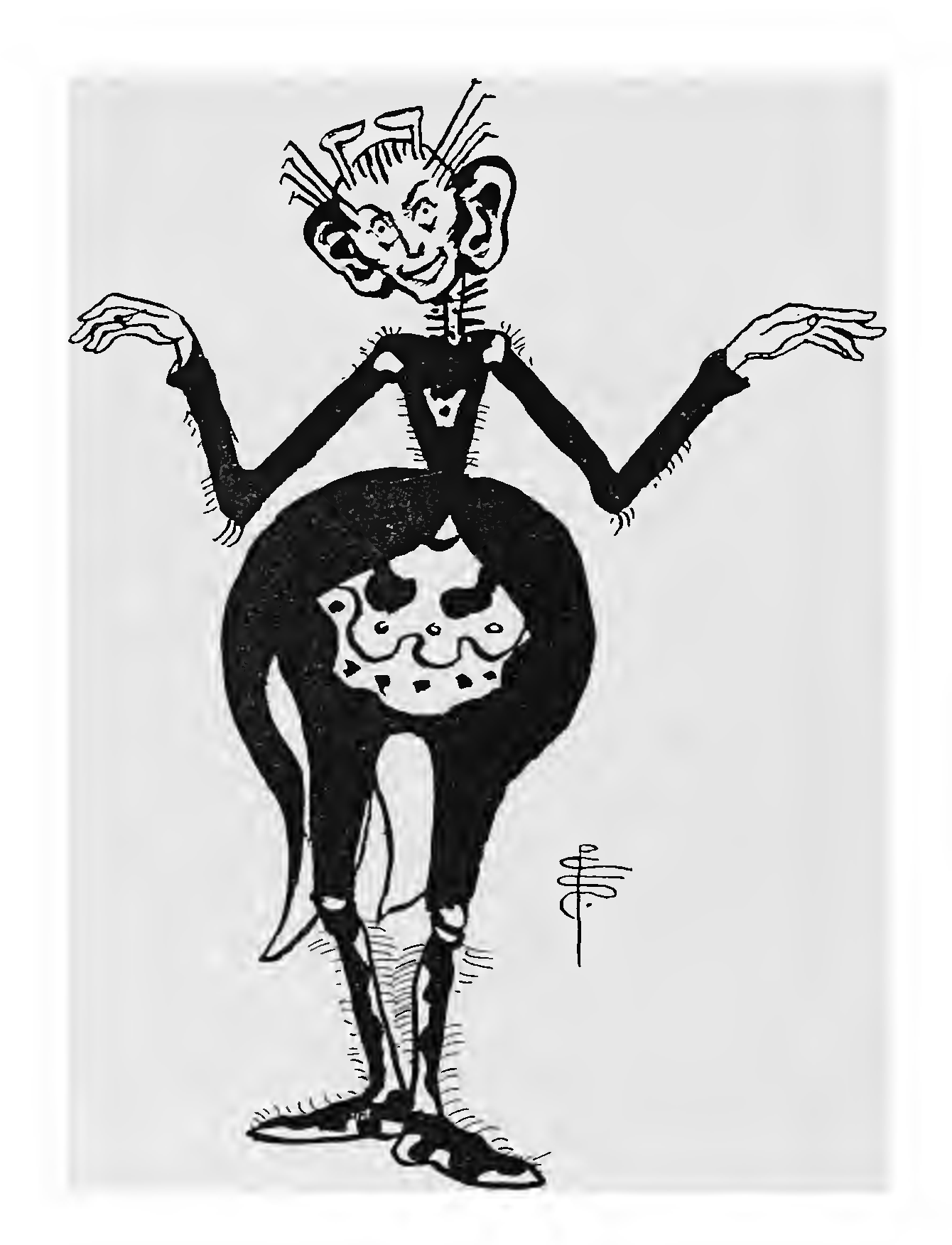
Anansi as pictured by Smith
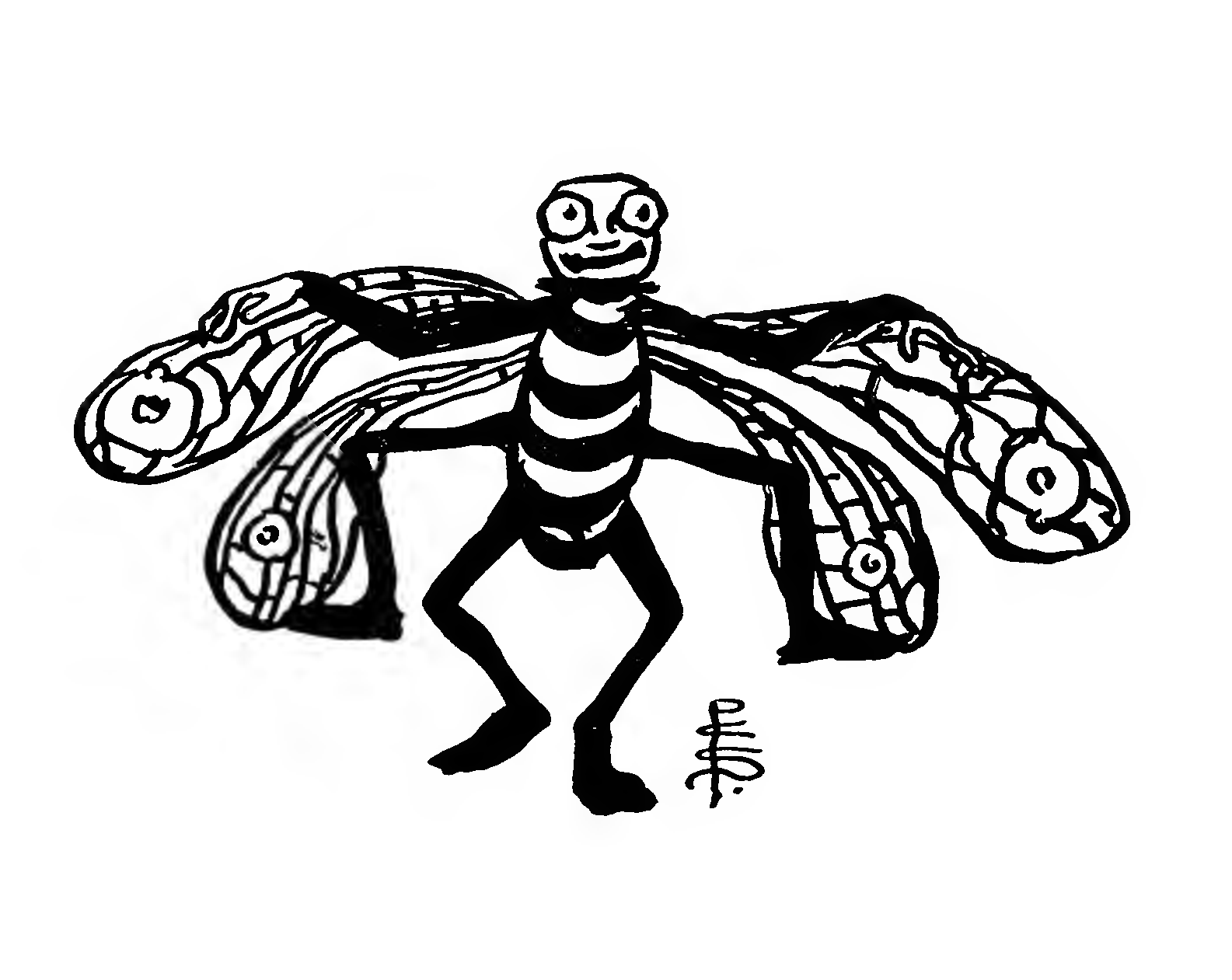
Illustration from Annancy Stories, 1899
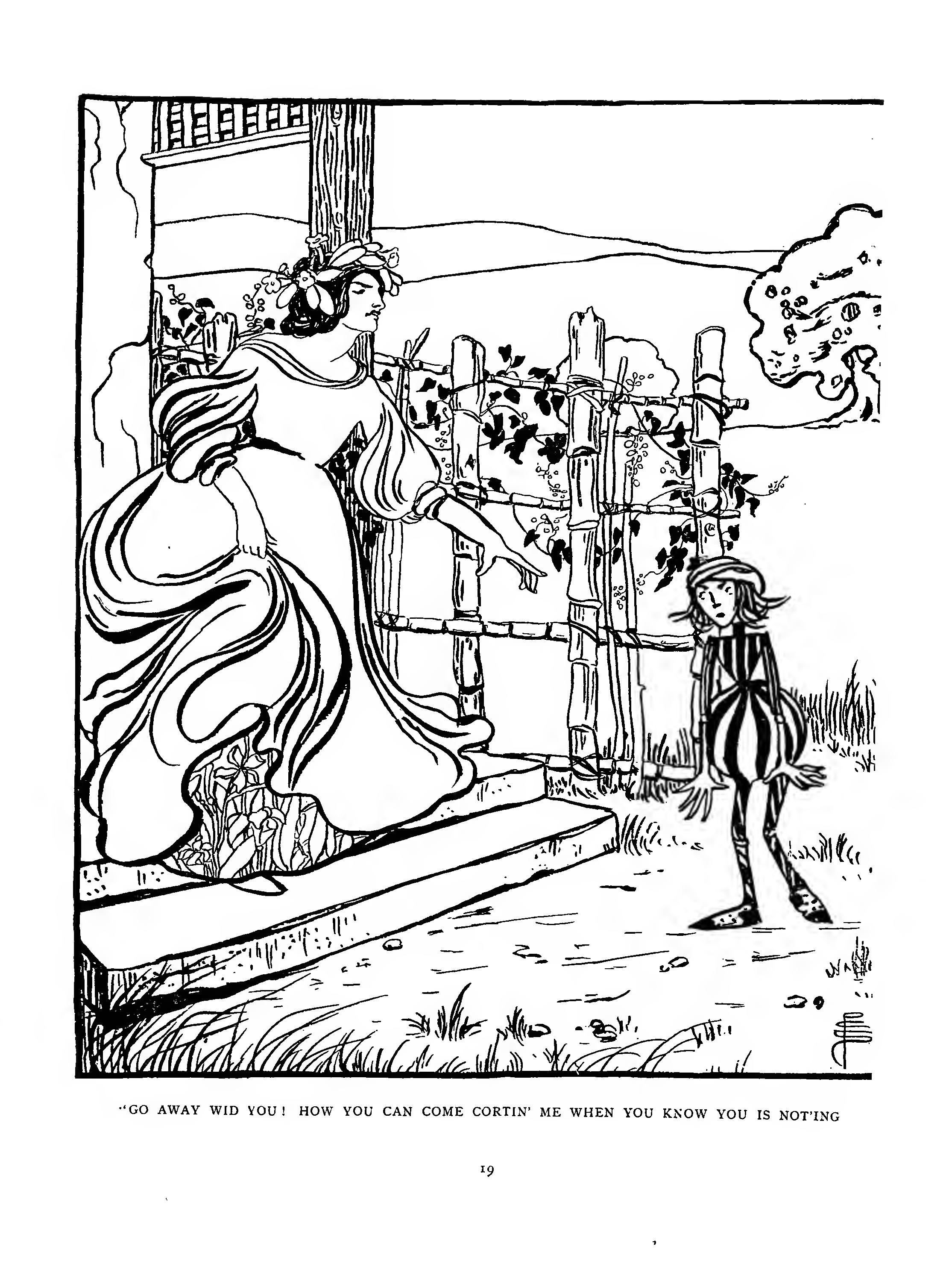
Illustration from Annancy Stories
In 1903, Smith launched her own magazine, called The Green Sheaf, which featured folk and fairytales as well as illustrations. It came out in 13 issues across the span of a little over a year before financial difficulties had Smith set up a small press (or an indie publisher, if you’d like) in London. And so, The Green Sheaf Press was founded in 1904, publishing a variety of novels, poems, folk and fairytales, mostly written by women, until at least 1906.

Cover of The Green Sheaf, issue 1, a literary magazine edited and published by Smith
In 1907, another milestone followed when Alfred Stieglitz, an American photographer and promoter of modern art, held an exhibition of Smith's paintings in New York.
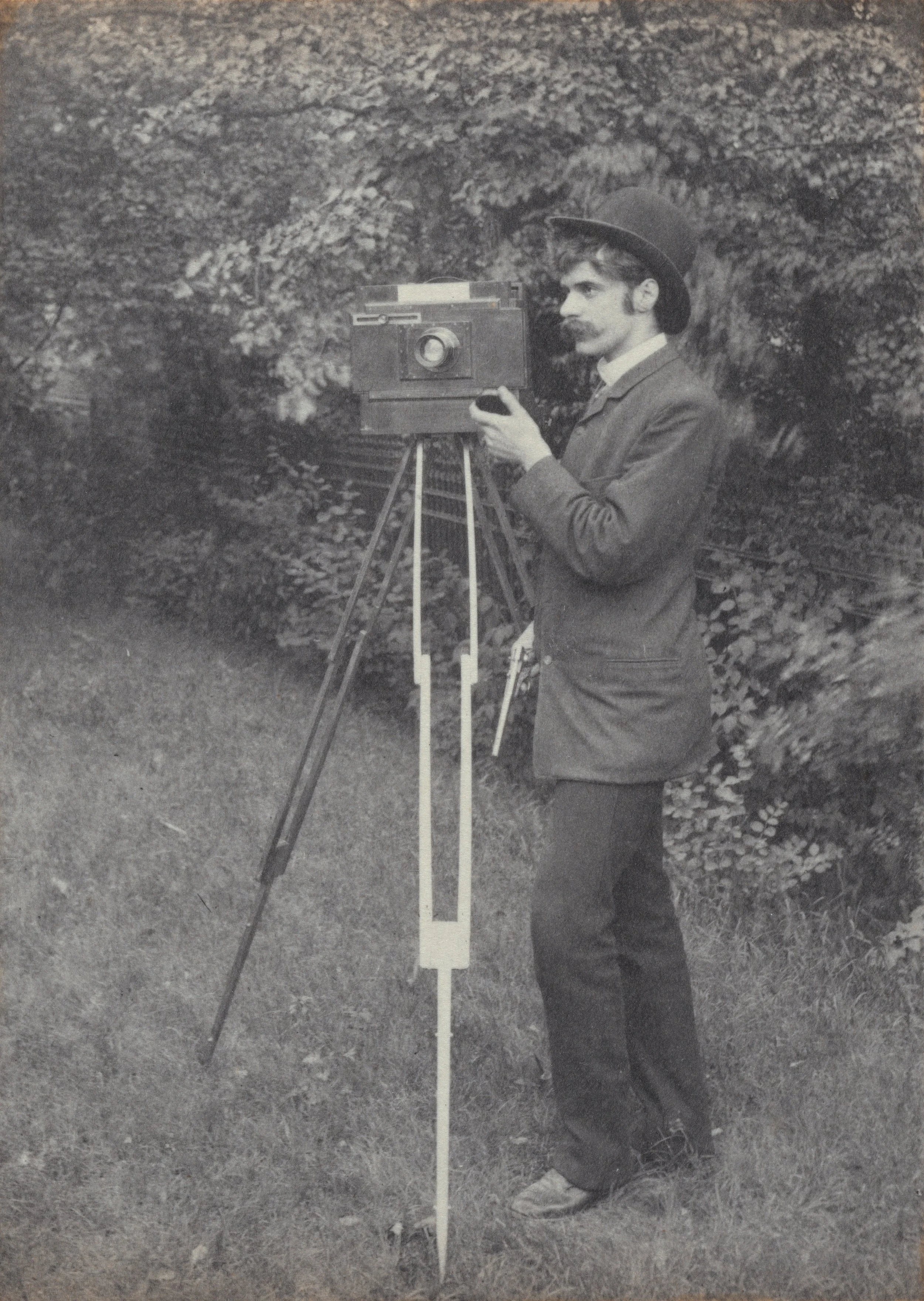
Alfred Stieglitz self-portrait, 1886
At the time, his gallery, called Gallery 291 (or just 291), had only shown photography, as the gallery had been devoted exclusively to avant-garde photography. Smith, therefore, became the first painter to have a show at his gallery. The show was so successful that he held two more shows with her work, in 1908 and 1909, respectively.
Outside of the tarot deck, which I’ll get into in a bit, I would say two of her most well-known paintings are, perhaps, The Blue Cat from 1907 and Sea Creatures, also from 1907.

The Blue Cat, 1907
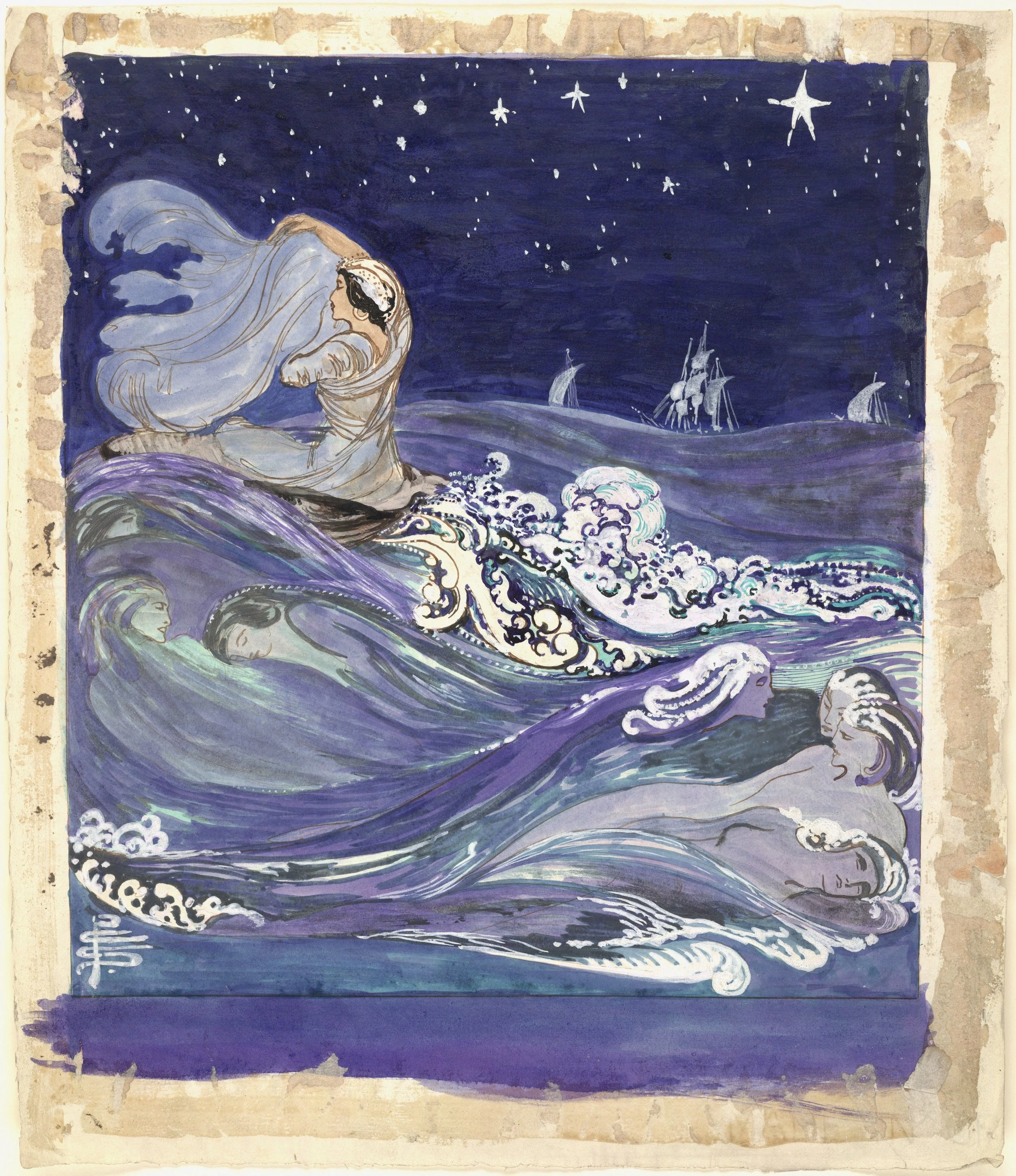
Sea Creatures, c. 1907
Later on, her friendship with Bram Stoker also led to her illustrating his last novel, The Lair of the White Worm, a Gothic horror and dark fantasy novel published in 1911. And two years later, in 1913, Dame Ellen Terry’s book The Russian Ballet also came out, containing illustrations by Smith.

Illustration by Pamela Colman Smith in The Lair of the White Worm, 1911
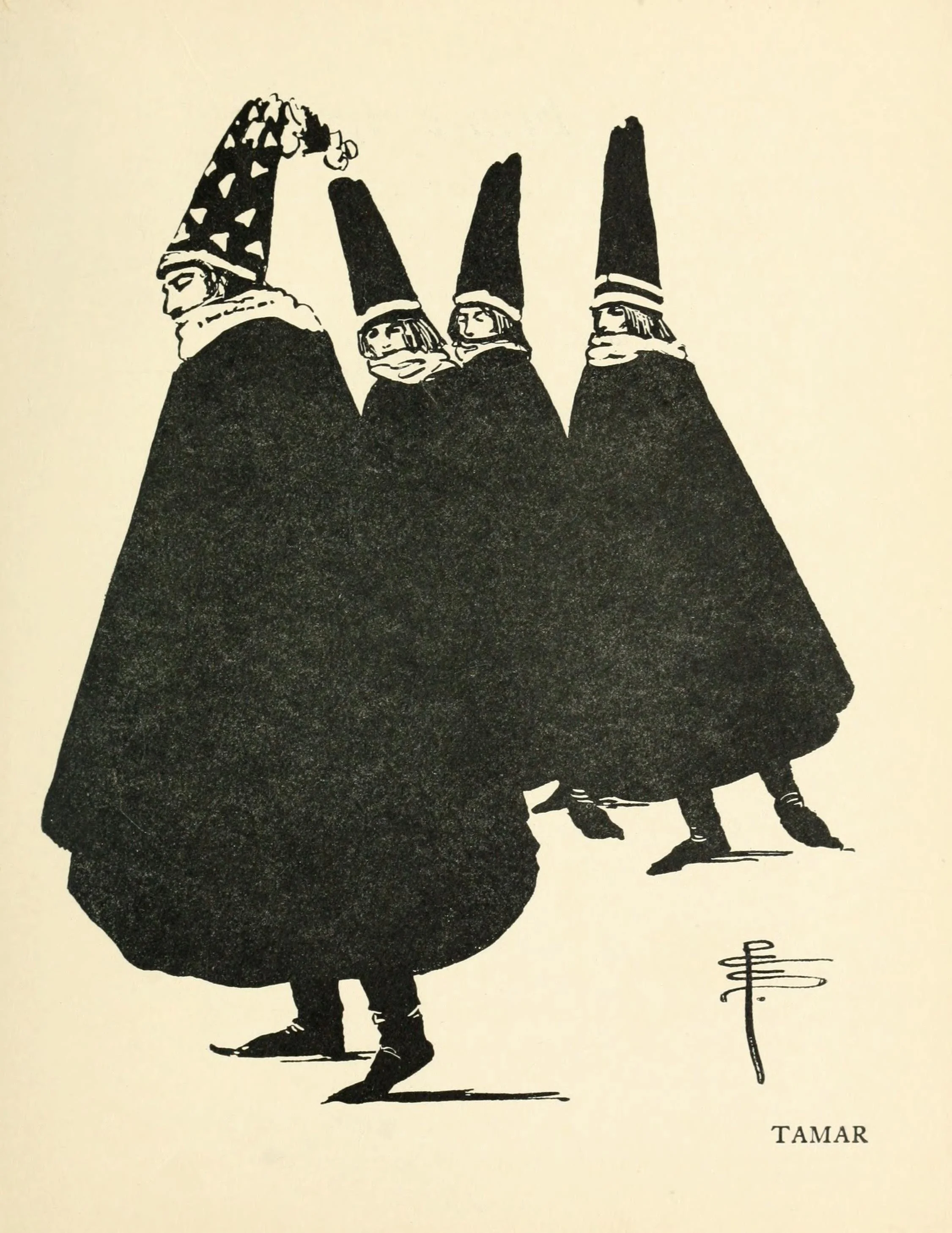
Illustration from Tamar from The Russian Ballet, 1913
In the 1910s, Smith also joined the Suffrage Atelier, an artists' collective that supported the campaign for women's voting rights.
Despite her talent, hard work, and wide range of projects, commercial success largely eluded her. Several of her gouache paintings were bought by her cousin, William Gillette, an American actor famous for portraying the American version of Sherlock Holmes on stage and in a 1916 silent film.
After the First World War, she inherited enough money from an uncle to lease a house in Cornwall. Having converted to Roman Catholicism a few years earlier, she established a holiday home for catholic priests in a neighboring house.
But financial difficulties continued throughout her life, and she eventually moved to Exeter and then to Bude.
While she kept working, the changes in public taste following the war were probably a contributing factor to her struggle to find a steady income from her work.
Smith died poor and in debt on the 18th of September 1951 in Bude, Cornwall, England, at the age of 73. Her possessions had to be auctioned off to pay her debts.
She would, unfortunately, never get to experience the explosion in popularity of her most famous and widely known collection of artworks. That wouldn't happen until the 1960s and 70s.
I am, of course, talking about the Rider-Waite-Smith tarot deck. So, let’s get into how this deck was created.
The Smith-Waite Tarot Deck
Now, you may have noticed that I’ve called the deck the Rider–Waite–Smith deck in this post, because that's what many people still recognize (or perhaps even just the Rider-Waite tarot deck).
However, I prefer to call it the Smith–Waite deck, and that’s the name I’ll use from here on, due to the labor put into the actual deck, and, in a bit, I think you’ll see why I prefer to put Smith's name first.
But first, let’s go back to the Golden Dawn, where Smith met Waite.
Like many secret societies of the time, the Golden Dawn eventually fractured due to internal disagreements. Different groups broke away, each following its own interpretation of the Order's teachings.
When the Golden Dawn dissolved at the beginning of the 1900s, Smith followed Waite to the Independent and Rectified Right of the Golden Dawn, a more Christian-oriented version of the Golden Dawn that removed the pagan and magical focus of the original. It was a branch of the Golden Dawn that Waite himself founded.
Then, in 1909, Waite commissioned Smith to illustrate a tarot deck, the results being the unique and widely used Smith-Waite deck.
Over the next six months, between April and October 1909, Smith created the complete set of illustrations.
Think about that for a moment.
She produced around eighty intricate illustrations in just half a year. And that's only the finished artwork. It doesn't include the sketches, revisions, or abandoned ideas that almost certainly existed along the way.
Unfortunately, the original artworks have not survived, so we don't know exactly how large the illustrations were or the medium used. They're generally believed to have been drawn in pen and ink and finished with watercolor.
While Smith created every single illustration, Waite developed much of the deck’s symbolic system and wrote the accompanying guidebook. The first one was called The Key to the Tarot, which was later expanded and republished in 1911 with the title The Pictorial Key to the Tarot. It’s basically a tarot reading guide that focuses on the symbolism of the cards.

Title page of the first edition of The Pictorial Key to the Tarot by A. E. Waite
Their roles were different but equally essential, even though I would personally argue that the artwork is more important, since the cards would never exist without the visual components. But as a lover of art, I might be biased in that sentiment.
You could say that Waite’s contribution was the concept, the structures of the cards, and the symbolic system, while Smith illustrated all the cards and translated and transformed those ideas into the visual language that millions of people still recognize today.
Visually speaking, the deck was inspired by the early Italian artists' illustrations, particularly the 15th-century Sola Busca deck, which is said to be the earliest complete 78-card tarot deck where all the suit cards are illustrated as well.

The Queen of Batons ("PALAS") from the Sola-Busca Tarot Deck, now in the Brera Museum
Each card is also numbered with Roman numerals for the trump cards, also known as the Major Arcana cards, and Arabic numerals for the pip cards, which are the Ace (or number 1) to the 10th card in each suit, plus the court cards, which are the Pages, Knights, Queens, and Kings. The latter is where the Smith-Waite deck differs when it comes to the numbers, because the suit cards in the Smith-Waite deck are not numbered.
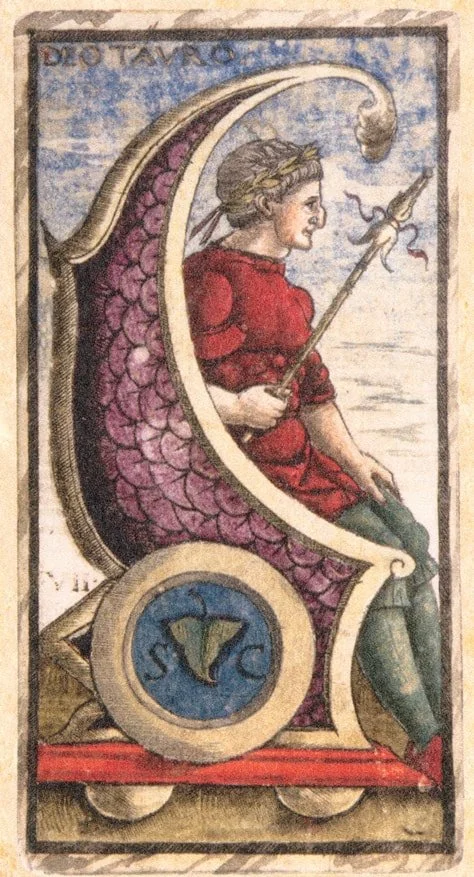
Sola Busca VII. Deo Tauro
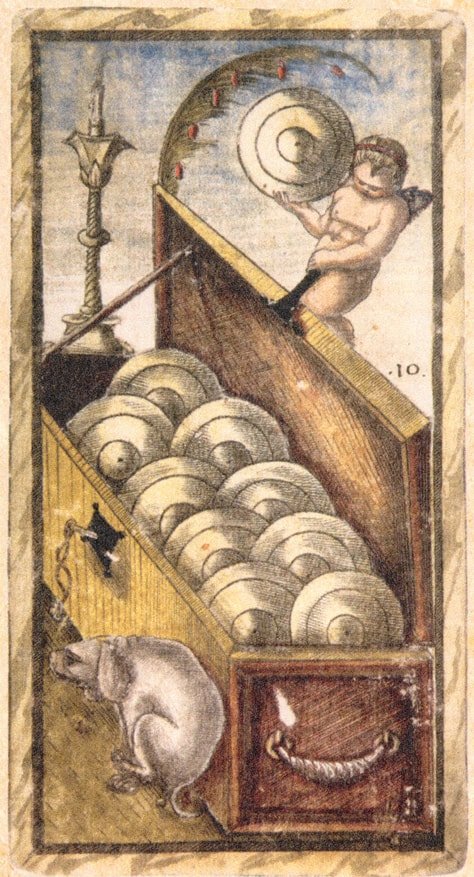
Sola Busca, 10 of Coins
However, Waite is believed to have suggested it as a visual reference for Smith to use.
And while we can see echoes of the designs of the earlier deck, Smith’s work is unmistakably her own. Her artistic style, combined with her remarkable imagination and synesthetic sensibility, which was said to have influenced her interpretations of the images, gave the cards an emotional richness that earlier tarot decks might not have had.
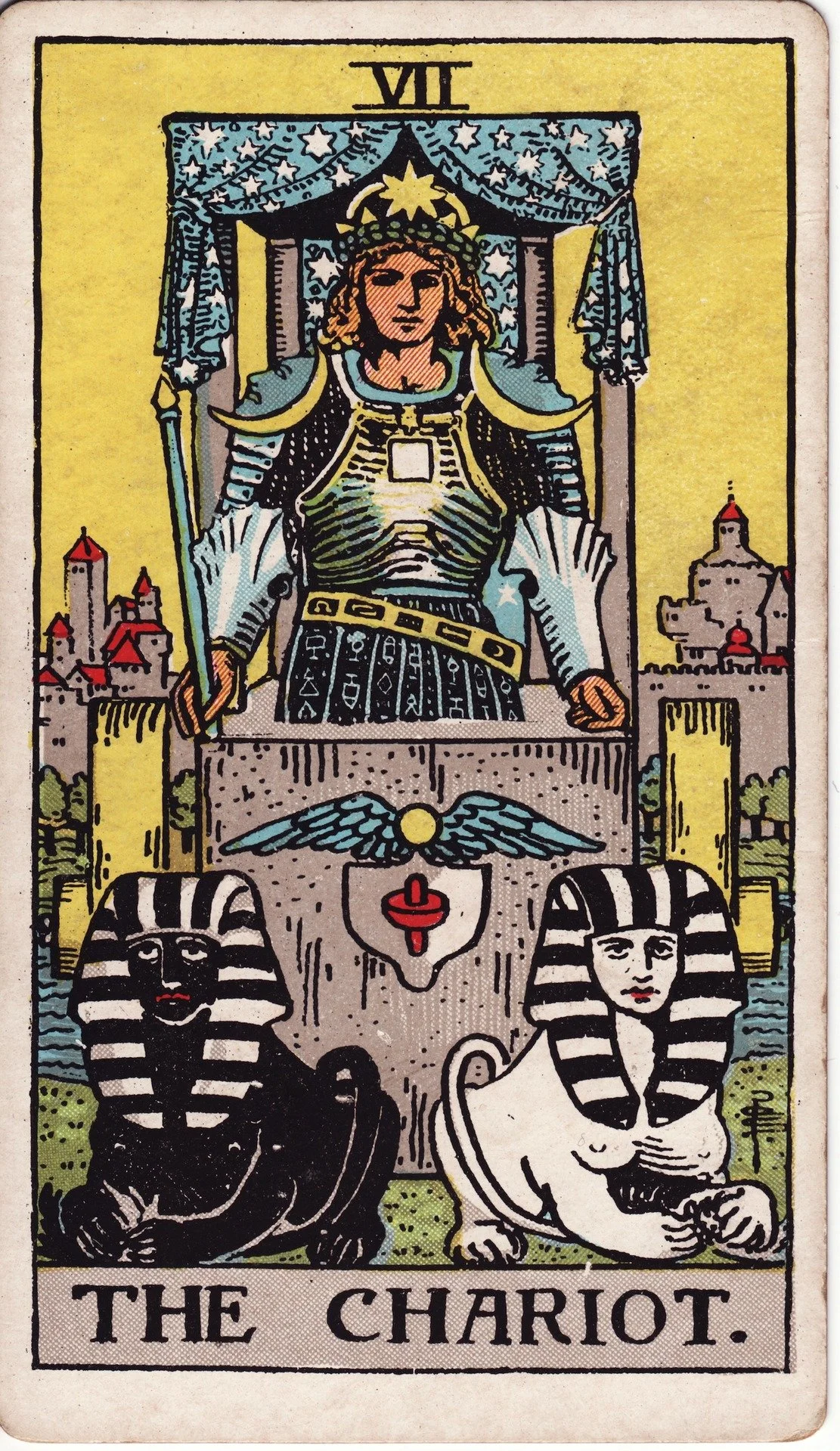
Smith-Waite Tarot, 7. The Chariot
Smith was also one of the first artists to use characters in almost all the Minor Arcana cards rather than simply showing groups of Cups, Pentacles, Swords, and Wands. She used humans and animals to convey new meanings of the cards and created an amazing and vastly detailed imagery throughout the deck, turning every card into its own visual story.
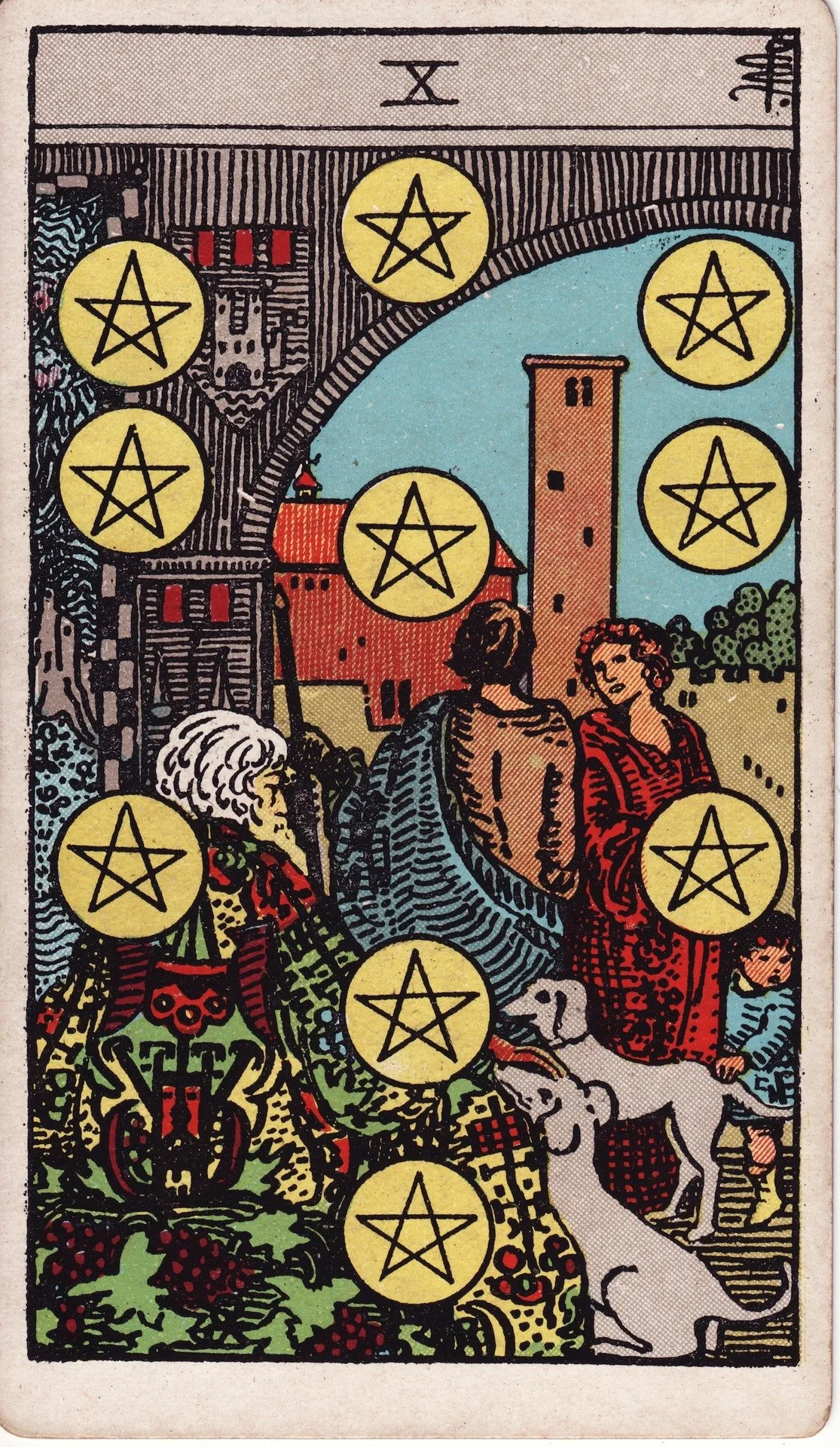
Smith-Waite Tarot, 10 of Pentacles
That decision fundamentally changed how tarot would be interpreted. Instead of simply memorizing symbolic meanings, readers could now engage directly with the imagery itself and create more richly detailed readings.
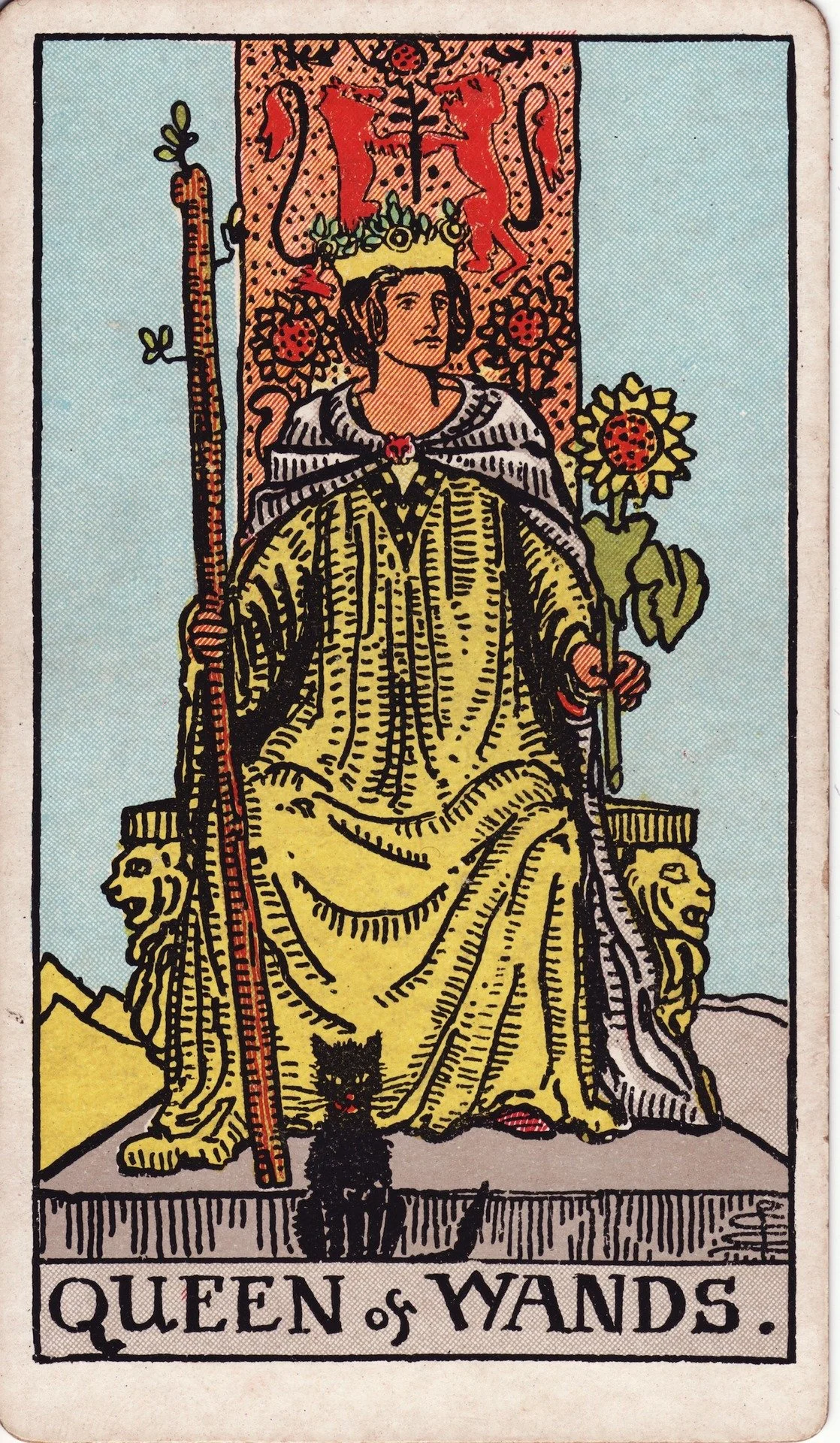
Smith-Waite Tarot, Queen of Wands
The deck was published in December 1909 by the publisher William Rider & Son of London, going down in history as one of the most widely known decks, with Smith’s illustrations becoming the framework or visual foundation for the design of countless subsequent decks.
However, while Smith was given a small commission for the work, she wasn’t given any royalties and little to no credit for her labor, as the deck was known as the Rider-Waite for decades, even a century after the first publication.
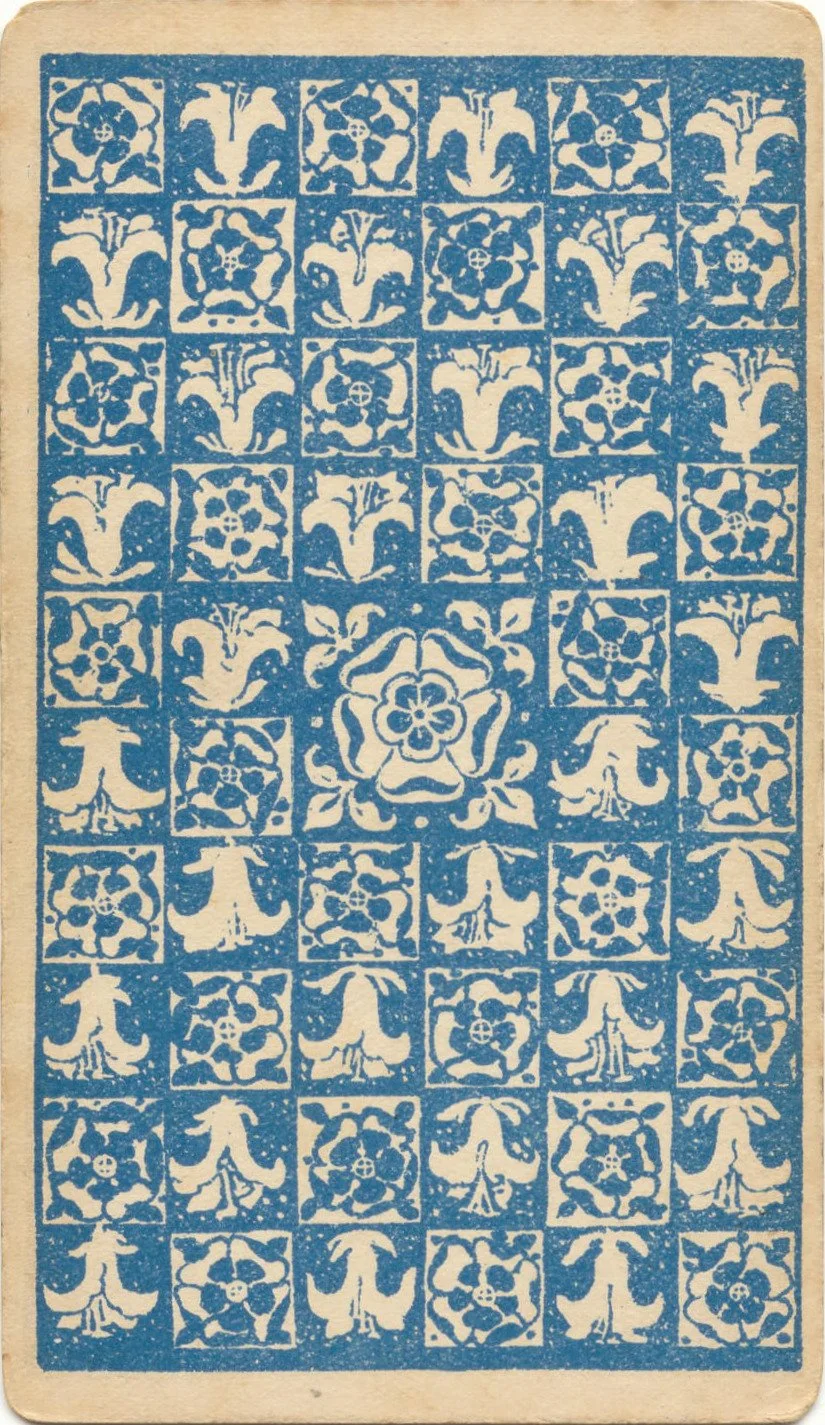
Smith-Waite Tarot’s original 1909 roses and lilies card back design
It wasn’t until the 2010s and early 2020s that it began to be more widely known that Smith was the artist behind the cards. Imagine that you created one of the most recognizable bodies of artwork in the world, yet spent more than a century in someone else’s shadow.
Imagine practically being erased and ignored for a whole century before people realized she was the artist of the artwork.
And the irony is that the evidence was there all along, on the actual cards. She had signed every one of them, except for the Fool card, with her initials. Her name was literally on the artwork. It just wasn't the name people remembered or recognized.
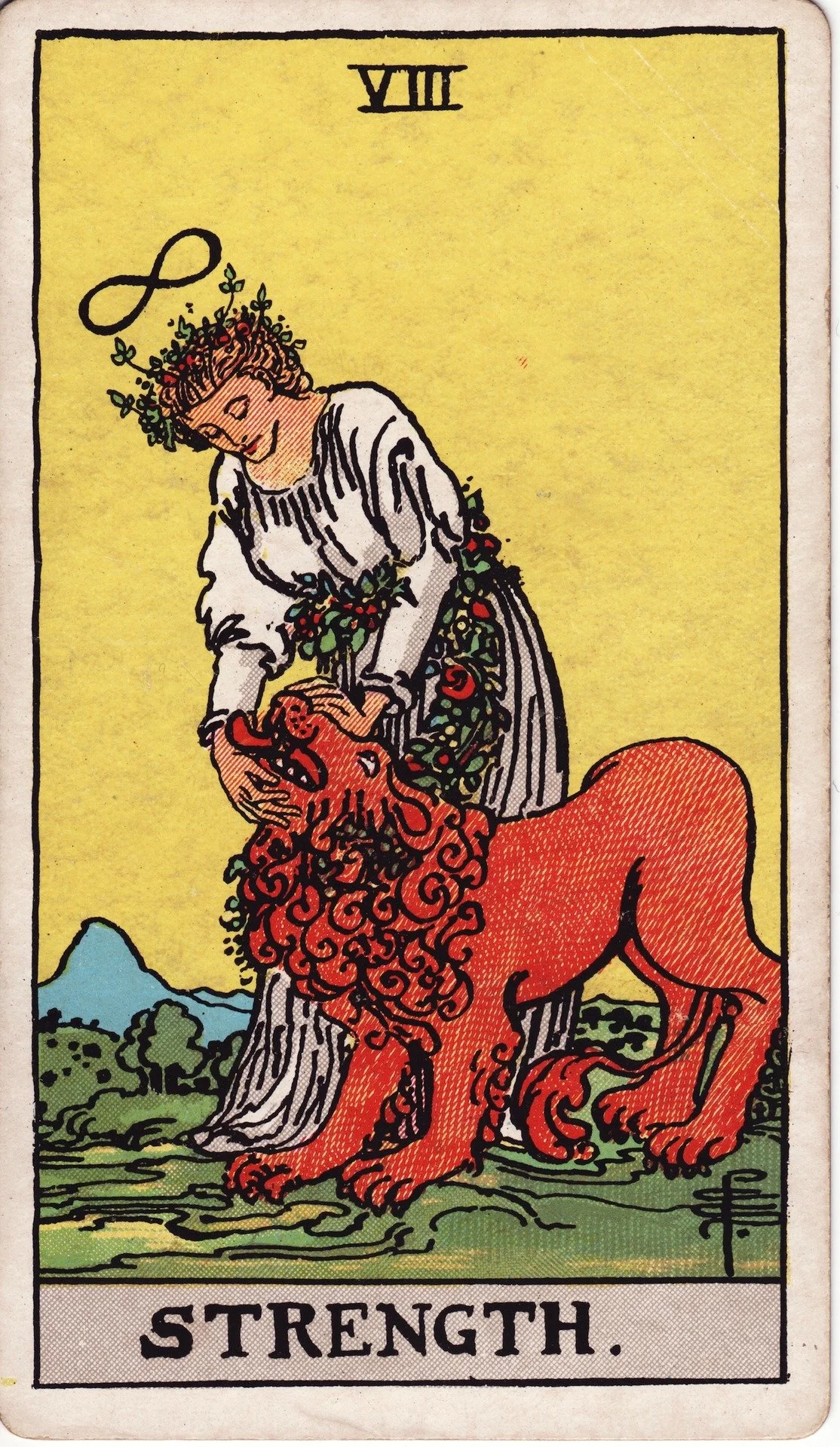
Smith-Waite Tarot, 8. Strength
I could go on a whole rant about the sheer fucking injustice of women not being credited or even recognized for their hard work and how angry that makes me. Especially knowing Smith died in poverty.
Of course, it wasn’t until after her death that the deck began to explode in global popularity, so it’s possible she might not even have been able to gain financial stability before then, even if she'd received royalties. I’m unsure of the sales figures during her lifetime, and I can’t know how much they would have changed her life, even though she definitely would’ve deserved everything she could’ve gotten.
But it’s still difficult not to wonder what might have been.
Today, there’s an estimate that the Smith-Waite deck has sold over 100 million copies worldwide. Just think about that for a minute. Each deck contains 78 cards, which are 78 individual pieces of art. So, to be a bit cheeky about it, there are over seven billion eight hundred million copies of her art that have been sold across the world since the publication of the deck. Seven billion eight hundred million copies. And that does not include all the clothes, interior design pieces, and countless other products that have her art on them.
While that number is astonishing, it’s just as mind-boggling that it took a century for her name to be recognized as the artist behind one of the most widely known tarot decks in the world, both by the publishers of the deck and by Tarot readers across the world.
Thankfully, that has begun to change as the interest in Smith has increased over the last decade or so, which is, to be fair, about fucking time.

Photograph of Pamela Colman Smith from the October 1912 issue of The Craftsman magazine
While her art might’ve fallen out of favor after the change in public taste following the First World War, her artwork has still been seen by and captivated many people around the world. And for someone who has only used Tarot for the past decade and always known of Smith’s contribution, her artwork has been a regular part of my life for just as long. And I’m very happy about that.
Knowing her story only makes me appreciate those images even more.
So with all of that said, what do you think about Pamela Colman Smith, her work, and her legacy? Share your thoughts in the comments below.
If you want early access to my posts, as well as additional content, join my Patreon.
Sources
“Pamela Colman Smith”, Wikipedia. https://en.wikipedia.org/wiki/Pamela_Colman_Smith (Accessed: 2026-05-11).
Images
A World War I-era poster by Smith. By Pamela Colman Smith - This image is available from the United States Library of Congress's Prints and Photographs division under the digital ID cph.3g12701. Public Domain, https://commons.wikimedia.org/w/index.php?curid=113877737 (Accessed 2026-05-20)
Alfred Stieglitz self-portrait, 1886. By Alfred Stieglitz - National Gallery of Art, Washington, D.C., online collection, Public Domain, https://commons.wikimedia.org/w/index.php?curid=11488160 (Accessed 2026-06-29)
Anansi as pictured by Smith. By Pamela Colman Smith - File: Annancy Stories - Pamela Colman Smith.pdf, Public Domain, https://commons.wikimedia.org/w/index.php?curid=137726355 (Accessed 2026-05-20)
Bram Stoker in 1906. By unidentified photographer - https://www.nytimes.com/2015/09/13/travel/bram-stoker-dracula-yorkshire.html, Public Domain, https://commons.wikimedia.org/w/index.php?curid=15049924 (Accessed 2026-06-29)
Cover of The Green Sheaf, issue 1, a literary magazine edited and published by Smith. By Pamela Colman Smith - https://archive.org/details/green-sheaf/page/6/mode/2up, Public Domain, https://commons.wikimedia.org/w/index.php?curid=137726882 (Accessed 2026-05-20)
Dame Ellen Terry as Katherine of Aragon in Shakespeare's Henry VIII, 1892. By Unidentified painter / After Window & Grove - Unknown source, Public Domain, https://commons.wikimedia.org/w/index.php?curid=580204 (Accessed 2026-06-29)
Dame Ellen Terry as Lady Macbeth, by John Singer Sargent, 1889. By John Singer Sargent - https://arthistorynewsreport.blogspot.com/2023/11/fashioned-by-sargent.html2. Tate1. Uploaded by User Bhoeble on en.wikipedia. Public Domain, https://commons.wikimedia.org/w/index.php?curid=1008209 (Accessed 2026-06-29)
Dame Ellen Terry with pets Fussie and Drummie in the 1880s. PD-US, https://en.wikipedia.org/w/index.php?curid=13902344 (Accessed 2026-06-29)
Dracula, first edition, 1897. By British Library Board - https://www.apollo-magazine.com/content/uploads/2014/10/Dracula-%E2%80%93-First-Edition-1897.-Photography-c-British-Library-Board.jpg, Public Domain, https://commons.wikimedia.org/w/index.php?curid=99011554 (Accessed 2026-06-29)
Hermes Trismegistus. By Jean-Louis Durant (1654-1718) - https://archive.org/details/historiadeorumfa00muss/page/74/mode/2up, Public Domain, https://commons.wikimedia.org/w/index.php?curid=166793588 (Accessed 2026-06-29)
Illustration by Pamela Colman Smith in The Lair of the White Worm, 1911. Public Domain, https://commons.wikimedia.org/w/index.php?curid=148608016 (Accessed 2026-06-29)
Illustration by Smith for The Green Sheaf, Vol II, 1903. By Pamela Colman Smith – https://archive.org/details/green-sheaf/page/6/mode/2up, Public Domain, https://commons.wikimedia.org/w/index.php?curid=137728514 (Accessed 2026-05-20)
Illustration from Annancy Stories, 1899. By Pamela Colman Smith – Public Domain, https://commons.wikimedia.org/w/index.php?curid=137726730 (Accessed 2026-05-20)
Illustration from Annancy Stories. By Pamela Colman Smith – Public Domain, https://commons.wikimedia.org/w/index.php?curid=137726219 (Accessed 2026-05-20)
Illustration from Letters From the Beasts to Dina, 1905. By Pamela Colman Smith – Roppo's The Works of Pamela Colman Smith, Public Domain, https://commons.wikimedia.org/w/index.php?curid=115477056 (Accessed 2026-05-20)
Illustration from Tamar from The Russian Ballet, 1913. By Internet Archive identifier: therussianballet00terr, Public Domain, https://commons.wikimedia.org/w/index.php?curid=87148991 (Accessed 2026-05-20)
Illustration from The Golden Vanity and The Green Bed, 1899. By Pamela Colman Smith – http://www.elfindog.sakura.ne.jp/pcsworks.htm. Originally from The Golden Vanity and The Green Bed (1899), New York: Doubleday & McClure Co., Public Domain, https://commons.wikimedia.org/w/index.php?curid=93576596 (Accessed 2026-05-20)
Main building of Pratt Institute. By Jim.henderson - Own work, CC0, https://commons.wikimedia.org/w/index.php?curid=12302134 (Accessed 2026-06-29)
Overture. "Egmont" Beethoven, a watercolor painting by Smith (1907). By Pamela Colman Smith - http://americanart.si.edu/collections/search/artwork/?id=22585, Public Domain, https://commons.wikimedia.org/w/index.php?curid=117907652 (Accessed 2026-05-20)
Photograph of Arthur Edward Waite in 1911. By J. Russell and Sons - Waite, Arthur Edward. "The Secret Tradition in Freemasonry", Rebman Publishing, London. 1911., Public Domain, https://commons.wikimedia.org/w/index.php?curid=2689296 (Accessed 2026-06-29)
Photograph of Pamela Colman Smith from the October 1912 issue of The Craftsman magazine. By Unknown photographer - Public Domain, https://commons.wikimedia.org/w/index.php?curid=164157321 (Accessed 2026-05-20)
Photograph of Pamela Colman Smith reciting a folktale. By Unknown author - Brooklyn Life magazine, Public Domain, https://commons.wikimedia.org/w/index.php?curid=93795707 (Accessed 2026-05-20)
Photograph of Sir Henry Irving, c. 1878. By Lock & Whitfield - National Portrait Gallery, PD-UK, https://en.wikipedia.org/w/index.php?curid=82095088 (Accessed 2026-06-29)
Portrait of Arthur Wesley Dow in his studio in Ipswich, Massachusetts, USA, c. 1890. By Unknown - Frederick Campbell Moffatt (1975), “The Breton Years of Arthur Wesley Dow”, in Archives of American Art Journal, volume 15, JSTOR 1556933, Public Domain, https://commons.wikimedia.org/w/index.php?curid=50290202 (Accessed 2026-06-29)
Poster by Smith advertising the "Shakespeare's Heroines" calendar (1899). By Pamela Colman Smith - Scanned from Pamela Colman Smith: The Untold Story (2018), Public Domain, https://commons.wikimedia.org/w/index.php?curid=101449108 (Accessed 2026-05-20)
Rose Cross of the Golden Dawn. By Fuzzypeg - The source code of this SVG is valid. This vector image was created with Inkscape by Fuzzypeg. Public Domain, https://commons.wikimedia.org/w/index.php?curid=4100581 (Accessed 2026-06-29)
Sea Creatures (c. 1907). By Pamela Colman Smith – Beinecke Rare Book and Manuscript Library, Public Domain, https://commons.wikimedia.org/w/index.php?curid=115476391 (Accessed 2026-05-20)
Smith-Waite Tarot, 0. The Fool. By Pamela Colman Smith - Public Domain, https://commons.wikimedia.org/w/index.php?curid=37197827 (Accessed 2026-06-29)
Smith-Waite Tarot, 1. The Magician. By Pamela Colman Smith - Public Domain, https://commons.wikimedia.org/w/index.php?curid=18886161 (Accessed 2026-06-29)
Smith-Waite Tarot, 2. The High Priestess. By Pamela Colman Smith - Public Domain, https://commons.wikimedia.org/w/index.php?curid=114010983 (Accessed 2026-06-29)
Smith-Waite Tarot, 3. The Empress. By Pamela Colman Smith - Public Domain, https://commons.wikimedia.org/w/index.php?curid=114010984 (Accessed 2026-06-29)
Smith-Waite Tarot, 4. The Emperor. By Pamela Colman Smith - Public Domain, https://commons.wikimedia.org/w/index.php?curid=114010987 (Accessed 2026-06-29)
Smith-Waite Tarot, 5. The Hierophant. By Pamela Colman Smith - Public Domain, https://commons.wikimedia.org/w/index.php?curid=114010991 (Accessed 2026-06-29)
Smith-Waite Tarot, 6. The Lovers. By Pamela Colman Smith - Public Domain, https://commons.wikimedia.org/w/index.php?curid=5714746 (Accessed 2026-06-29)
Smith-Waite Tarot, 7. The Chariot. By Pamela Colman Smith - Public Domain, https://commons.wikimedia.org/w/index.php?curid=114011083 (Accessed 2026-06-29)
Smith-Waite Tarot, 8. Strength. By Pamela Colman Smith - Public Domain, https://commons.wikimedia.org/w/index.php?curid=114011085 (Accessed 2026-06-29)
Smith-Waite Tarot, 9. The Hermit. By Pamela Colman Smith - Public Domain, https://commons.wikimedia.org/w/index.php?curid=114011089 (Accessed 2026-06-29)
Smith-Waite Tarot, 10. Wheel of Fortune. By Pamela Colman Smith - Public Domain, https://commons.wikimedia.org/w/index.php?curid=114011095 (Accessed 2026-06-29)
Smith-Waite Tarot, 11. Justice. By Pamela Colman Smith - Public Domain, https://commons.wikimedia.org/w/index.php?curid=114011100 (Accessed 2026-06-29)
Smith-Waite Tarot, 12. The Hanged Man. By Pamela Colman Smith - Public Domain, https://commons.wikimedia.org/w/index.php?curid=114011101 (Accessed 2026-06-29)
Smith-Waite Tarot, 13. Death. By Pamela Colman Smith - Public Domain, https://commons.wikimedia.org/w/index.php?curid=114011104 (Accessed 2026-06-29)
Smith-Waite Tarot, 14. Temperance. By Pamela Colman Smith - Public Domain, https://commons.wikimedia.org/w/index.php?curid=114011108 (Accessed 2026-06-29)
Smith-Waite Tarot, 15. The Devil. By Pamela Colman Smith - Public Domain, https://commons.wikimedia.org/w/index.php?curid=114011110 (Accessed 2026-06-29)
Smith-Waite Tarot, 16. The Tower. By Pamela Colman Smith - Public Domain, https://commons.wikimedia.org/w/index.php?curid=114011113 (Accessed 2026-06-29)
Smith-Waite Tarot, 17. The Star. By Pamela Colman Smith - Public Domain, https://commons.wikimedia.org/w/index.php?curid=114011116 (Accessed 2026-06-29)
Smith-Waite Tarot, 18. The Moon. By Pamela Colman Smith - Public Domain, https://commons.wikimedia.org/w/index.php?curid=114011117 (Accessed 2026-06-29)
Smith-Waite Tarot, 19. The Sun. By Pamela Colman Smith - Public Domain, https://commons.wikimedia.org/w/index.php?curid=114011122 (Accessed 2026-06-29)
Smith-Waite Tarot, 20. Judgement. By Pamela Colman Smith - Public Domain, https://commons.wikimedia.org/w/index.php?curid=114011123 (Accessed 2026-06-29)
Smith-Waite Tarot, 21. The World. By Pamela Colman Smith - Public Domain, https://commons.wikimedia.org/w/index.php?curid=114011125 (Accessed 2026-06-29)
Smith-Waite Tarot, 2 of Cups. By Pamela Colman Smith - Public Domain, https://commons.wikimedia.org/w/index.php?curid=113970913 (Accessed 2026-06-29)
Smith-Waite Tarot, 3 of Cups. By Pamela Colman Smith - Public Domain, https://commons.wikimedia.org/w/index.php?curid=113970914 (Accessed 2026-06-29)
Smith-Waite Tarot, 4 of Cups. By Pamela Colman Smith - Public Domain, https://commons.wikimedia.org/w/index.php?curid=113970915 (Accessed 2026-06-29)
Smith-Waite Tarot, 5 of Cups. By Pamela Colman Smith - Public Domain, https://commons.wikimedia.org/w/index.php?curid=113970916 (Accessed 2026-06-29)
Smith-Waite Tarot, 6 of Cups. By Pamela Colman Smith - Public Domain, https://commons.wikimedia.org/w/index.php?curid=113970919 (Accessed 2026-06-29)
Smith-Waite Tarot, 7 of Cups. By Pamela Colman Smith - Public Domain, https://commons.wikimedia.org/w/index.php?curid=113970939 (Accessed 2026-06-29)
Smith-Waite Tarot, 8 of Cups. By Pamela Colman Smith - Public Domain, https://commons.wikimedia.org/w/index.php?curid=113970921 (Accessed 2026-06-29)
Smith-Waite Tarot, 9 of Cups. By Pamela Colman Smith - Public Domain, https://commons.wikimedia.org/w/index.php?curid=113970923 (Accessed 2026-06-29)
Smith-Waite Tarot, 10 of Cups. By Pamela Colman Smith - Public Domain, https://commons.wikimedia.org/w/index.php?curid=113970925 (Accessed 2026-06-29)
Smith-Waite Tarot, Ace of Cups. By Pamela Colman Smith - Public Domain, https://commons.wikimedia.org/w/index.php?curid=113970911 (Accessed 2026-06-29)
Smith-Waite Tarot, King of Cups. By Pamela Colman Smith - Public Domain, https://commons.wikimedia.org/w/index.php?curid=113970931 (Accessed 2026-06-29)
Smith-Waite Tarot, Knight of Cups. By Pamela Colman Smith - Public Domain, https://commons.wikimedia.org/w/index.php?curid=113970927 (Accessed 2026-06-29)
Smith-Waite Tarot, Page of Cups. By Pamela Colman Smith - Public Domain, https://commons.wikimedia.org/w/index.php?curid=113970940 (Accessed 2026-06-29)
Smith-Waite Tarot, Queen of Cups. By Pamela Colman Smith - Public Domain, https://commons.wikimedia.org/w/index.php?curid=113970930 (Accessed 2026-06-29)
Smith-Waite Tarot, 2 of Pentacles. By Pamela Colman Smith - Public Domain, https://commons.wikimedia.org/w/index.php?curid=113971011 (Accessed 2026-06-29)
Smith-Waite Tarot, 3 of Pentacles. By Pamela Colman Smith - Public Domain, https://commons.wikimedia.org/w/index.php?curid=113971023 (Accessed 2026-06-29)
Smith-Waite Tarot, 4 of Pentacles. By Pamela Colman Smith - Public Domain, https://commons.wikimedia.org/w/index.php?curid=113971024 (Accessed 2026-06-29)
Smith-Waite Tarot, 5 of Pentacles. By Pamela Colman Smith - Public Domain, https://commons.wikimedia.org/w/index.php?curid=113971026 (Accessed 2026-06-29)
Smith-Waite Tarot, 6 of Pentacles. By Pamela Colman Smith - Public Domain, https://commons.wikimedia.org/w/index.php?curid=113971027 (Accessed 2026-06-29)
Smith-Waite Tarot, 7 of Pentacles. By Pamela Colman Smith - Public Domain, https://commons.wikimedia.org/w/index.php?curid=113971029 (Accessed 2026-06-29)
Smith-Waite Tarot, 8 of Pentacles. By Pamela Colman Smith - Public Domain, https://commons.wikimedia.org/w/index.php?curid=113971051 (Accessed 2026-06-29)
Smith-Waite Tarot, 9 of Pentacles. By Pamela Colman Smith - Public Domain, https://commons.wikimedia.org/w/index.php?curid=113971031 (Accessed 2026-06-29)
Smith-Waite Tarot, 10 of Pentacles. By Pamela Colman Smith - Public Domain, https://commons.wikimedia.org/w/index.php?curid=113971032 (Accessed 2026-06-29)
Smith-Waite Tarot, Ace of Pentacles. By Pamela Colman Smith - Public Domain, https://commons.wikimedia.org/w/index.php?curid=113971008 (Accessed 2026-06-29)
Smith-Waite Tarot, King of Pentacles. By Pamela Colman Smith - Public Domain, https://commons.wikimedia.org/w/index.php?curid=113971047 (Accessed 2026-06-29)
Smith-Waite Tarot, Knight of Pentacles. By Pamela Colman Smith - Public Domain, https://commons.wikimedia.org/w/index.php?curid=113971037 (Accessed 2026-06-29)
Smith-Waite Tarot, Page of Pentacles. By Pamela Colman Smith - Public Domain, https://commons.wikimedia.org/w/index.php?curid=113971034 (Accessed 2026-06-29)
Smith-Waite Tarot, Queen of Pentacles. By Pamela Colman Smith - Public Domain, https://commons.wikimedia.org/w/index.php?curid=113971044 (Accessed 2026-06-29)
Smith-Waite Tarot, 2 of Swords. By Pamela Colman Smith - Public Domain, https://commons.wikimedia.org/w/index.php?curid=113970968 (Accessed 2026-06-29)
Smith-Waite Tarot, 3 of Swords. By Pamela Colman Smith - Public Domain, https://commons.wikimedia.org/w/index.php?curid=113970971 (Accessed 2026-06-29)
Smith-Waite Tarot, 4 of Swords. By Pamela Colman Smith - Public Domain, https://commons.wikimedia.org/w/index.php?curid=113970972 (Accessed 2026-06-29)
Smith-Waite Tarot, 5 of Swords. By Pamela Colman Smith - Public Domain, https://commons.wikimedia.org/w/index.php?curid=113970973 (Accessed 2026-06-29)
Smith-Waite Tarot, 6 of Swords. By Pamela Colman Smith - Public Domain, https://commons.wikimedia.org/w/index.php?curid=113970975 (Accessed 2026-06-29)
Smith-Waite Tarot, 7 of Swords. By Pamela Colman Smith - Public Domain, https://commons.wikimedia.org/w/index.php?curid=113970977 (Accessed 2026-06-29)
Smith-Waite Tarot, 8 of Swords. By Pamela Colman Smith - Public Domain, https://commons.wikimedia.org/w/index.php?curid=113970978 (Accessed 2026-06-29)
Smith-Waite Tarot, 9 of Swords. By Pamela Colman Smith - Public Domain, https://commons.wikimedia.org/w/index.php?curid=113970980 (Accessed 2026-06-29)
Smith-Waite Tarot, 10 of Swords. By Pamela Colman Smith - Public Domain, https://commons.wikimedia.org/w/index.php?curid=113970985 (Accessed 2026-06-29)
Smith-Waite Tarot, Ace of Swords. By Pamela Colman Smith - Public Domain, https://commons.wikimedia.org/w/index.php?curid=113970967 (Accessed 2026-06-29)
Smith-Waite Tarot, King of Swords. By Pamela Colman Smith - Public Domain, https://commons.wikimedia.org/w/index.php?curid=113970993 (Accessed 2026-06-29)
Smith-Waite Tarot, Knight of Swords. By Pamela Colman Smith - Public Domain, https://commons.wikimedia.org/w/index.php?curid=113970991 (Accessed 2026-06-29)
Smith-Waite Tarot, Page of Swords. By Pamela Colman Smith - Public Domain, https://commons.wikimedia.org/w/index.php?curid=113970989 (Accessed 2026-06-29)
Smith-Waite Tarot, Queen of Swords. By Pamela Colman Smith - Public Domain, https://commons.wikimedia.org/w/index.php?curid=113970992 (Accessed 2026-06-29)
Smith-Waite Tarot, 2 of Wands. By Pamela Colman Smith - Public Domain, https://commons.wikimedia.org/w/index.php?curid=113970869 (Accessed 2026-06-29)
Smith-Waite Tarot, 3 of Wands. By Pamela Colman Smith - Public Domain, https://commons.wikimedia.org/w/index.php?curid=113970870 (Accessed 2026-06-29)
Smith-Waite Tarot, 4 of Wands. By Pamela Colman Smith - Public Domain, https://commons.wikimedia.org/w/index.php?curid=113970871 (Accessed 2026-06-29)
Smith-Waite Tarot, 5 of Wands. By Pamela Colman Smith - Public Domain, https://commons.wikimedia.org/w/index.php?curid=113970874 (Accessed 2026-06-29)
Smith-Waite Tarot, 6 of Wands. By Pamela Colman Smith - Public Domain, https://commons.wikimedia.org/w/index.php?curid=113970876 (Accessed 2026-06-29)
Smith-Waite Tarot, 7 of Wands. By Pamela Colman Smith - Public Domain, https://commons.wikimedia.org/w/index.php?curid=113970877 (Accessed 2026-06-29)
Smith-Waite Tarot, 8 of Wands. By Pamela Colman Smith - Public Domain, https://commons.wikimedia.org/w/index.php?curid=113970896 (Accessed 2026-06-29)
Smith-Waite Tarot, 9 of Wands. By Pamela Colman Smith - Public Domain, https://commons.wikimedia.org/w/index.php?curid=6627895 (Accessed 2026-06-29)
Smith-Waite Tarot, 10 of Wands. By Pamela Colman Smith - Public Domain, https://commons.wikimedia.org/w/index.php?curid=113970882 (Accessed 2026-06-29)
Smith-Waite Tarot, Ace of Wands. By Pamela Colman Smith - Public Domain, https://commons.wikimedia.org/w/index.php?curid=113970866 (Accessed 2026-06-29)
Smith-Waite Tarot, King of Wands. By Pamela Colman Smith - Public Domain, https://commons.wikimedia.org/w/index.php?curid=113970900 (Accessed 2026-06-29)
Smith-Waite Tarot, Knight of Wands. By Pamela Colman Smith - Public Domain, https://commons.wikimedia.org/w/index.php?curid=113970885 (Accessed 2026-06-29)
Smith-Waite Tarot, Page of Wands. By Pamela Colman Smith - Public Domain, https://commons.wikimedia.org/w/index.php?curid=113970884 (Accessed 2026-06-29)
Smith-Waite Tarot, Queen of Wands. By Pamela Colman Smith - Public Domain, https://commons.wikimedia.org/w/index.php?curid=113970887 (Accessed 2026-06-29)
Smith-Waite Tarot’s original 1909 roses and lilies card back design. By Pamela Colman Smith - Public Domain, https://commons.wikimedia.org/w/index.php?curid=130122396 (Accessed 2026-06-29)
Sola Busca, 10 of Coins. By Unknown author - https://waitesmith.org/index.php/decks/the-sola-busca-deck/, Public Domain, https://commons.wikimedia.org/w/index.php?curid=88492567 (Accessed 2026-07-02)
Sola Busca, VII. Deo Tauro. By Unknown author - https://waitesmith.org/index.php/decks/the-sola-busca-deck/, Public Domain, https://commons.wikimedia.org/w/index.php?curid=88492490 (Accessed 2026-07-02)
The Blue Cat (1907), watercolor on paperboard. By Pamela Colman Smith - https://collections.library.yale.edu/catalog/2002423, Public Domain, https://commons.wikimedia.org/w/index.php?curid=93795710 (Accessed 2026-05-20)
The Queen of Batons ("PALAS") from the Sola-Busca Tarot Deck, now in the Brera Museum. By Unknown author - https://solabuscatarot1998mayer.files.wordpress.com/2013/04/sola-busca-palas-britmus-lq.jpg, Public Domain, https://commons.wikimedia.org/w/index.php?curid=46456242 (Accessed 2026-07-02)
Title page of the first edition of The Pictorial Key to the Tarot by A. E. Waite. By William Rider & Son, Publishers - Scan of book title page, Public Domain, https://commons.wikimedia.org/w/index.php?curid=76294052 (Accessed 2026-06-29)
William Butler Yeats in 1903. By Alice Boughton - Whyte's, Public Domain, https://commons.wikimedia.org/w/index.php?curid=30647704 (Accessed 2026-06-29)


